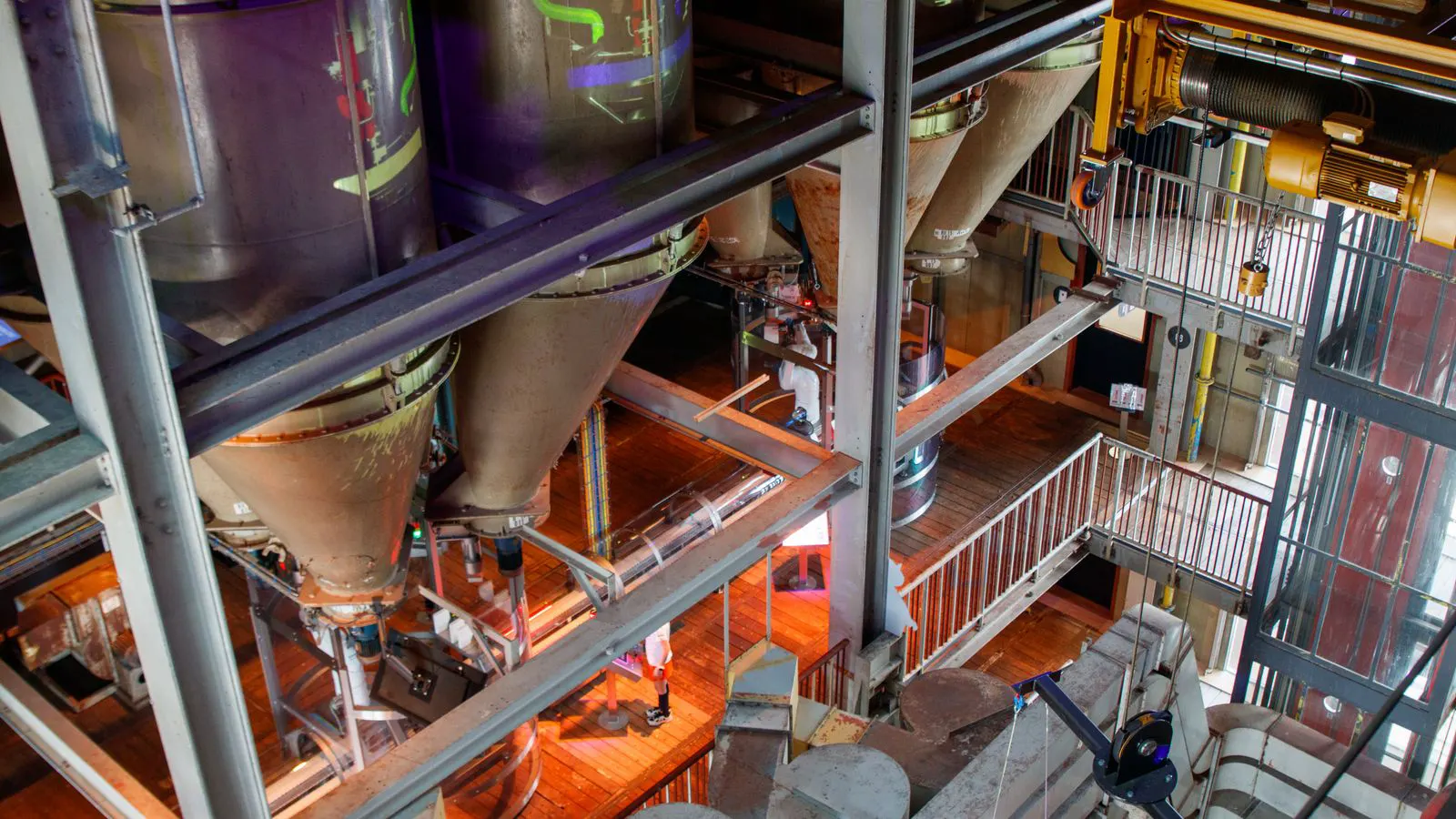
Choosing a Supplier
How to Verify Conveyor Manufacturer Certifications
To verify conveyor manufacturer certifications, request specific documentation, check independent registry databases, validate scope and validity dates, and conduct site
Learn what to evaluate when selecting a conveyor supplier, including specifications, service support, and total cost considerations.
To verify conveyor manufacturer certifications, request specific documentation, check independent registry databases, validate scope and validity dates, and conduct site

Effective reference checks reveal how a vendor performs after installation. Asking specific questions about maintenance response, parts availability, and project delays

A full financial review of conveyor procurement covers material costs, fabrication labor, and lifecycle maintenance. Understanding these three pillars helps buyers
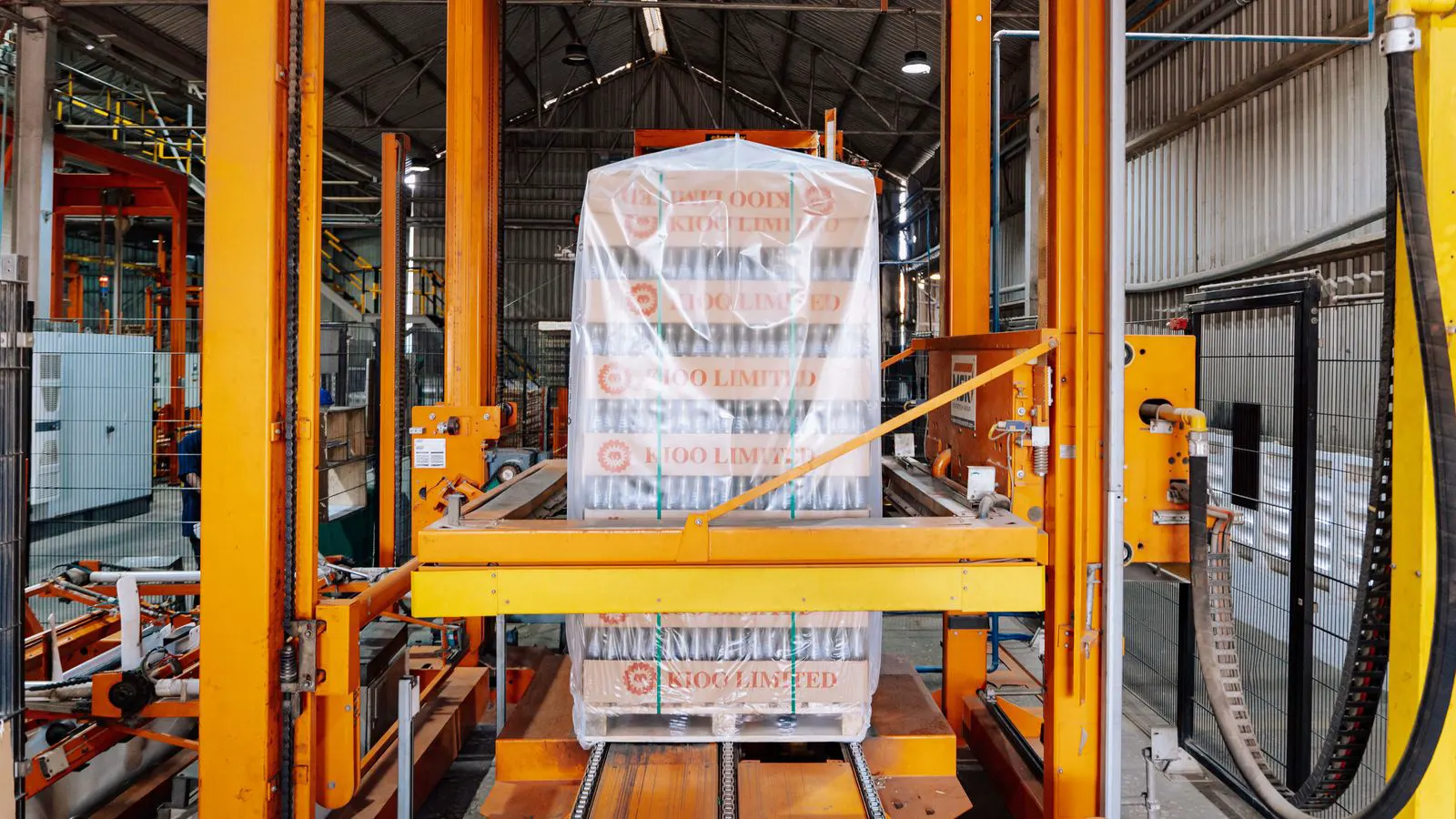
Correctly specifying conveyor load capacity requires measuring material weight, defining throughput, and selecting belt dimensions. This guide walks you through the six

Emerging technologies are changing how logistics facilities integrate conveyor automation. Buyers must prepare for shifts in sensors, software, and maintenance

This checklist outlines ten key criteria for evaluating conveyor suppliers. It covers technical capability, service history, warranty terms, and compliance standards.
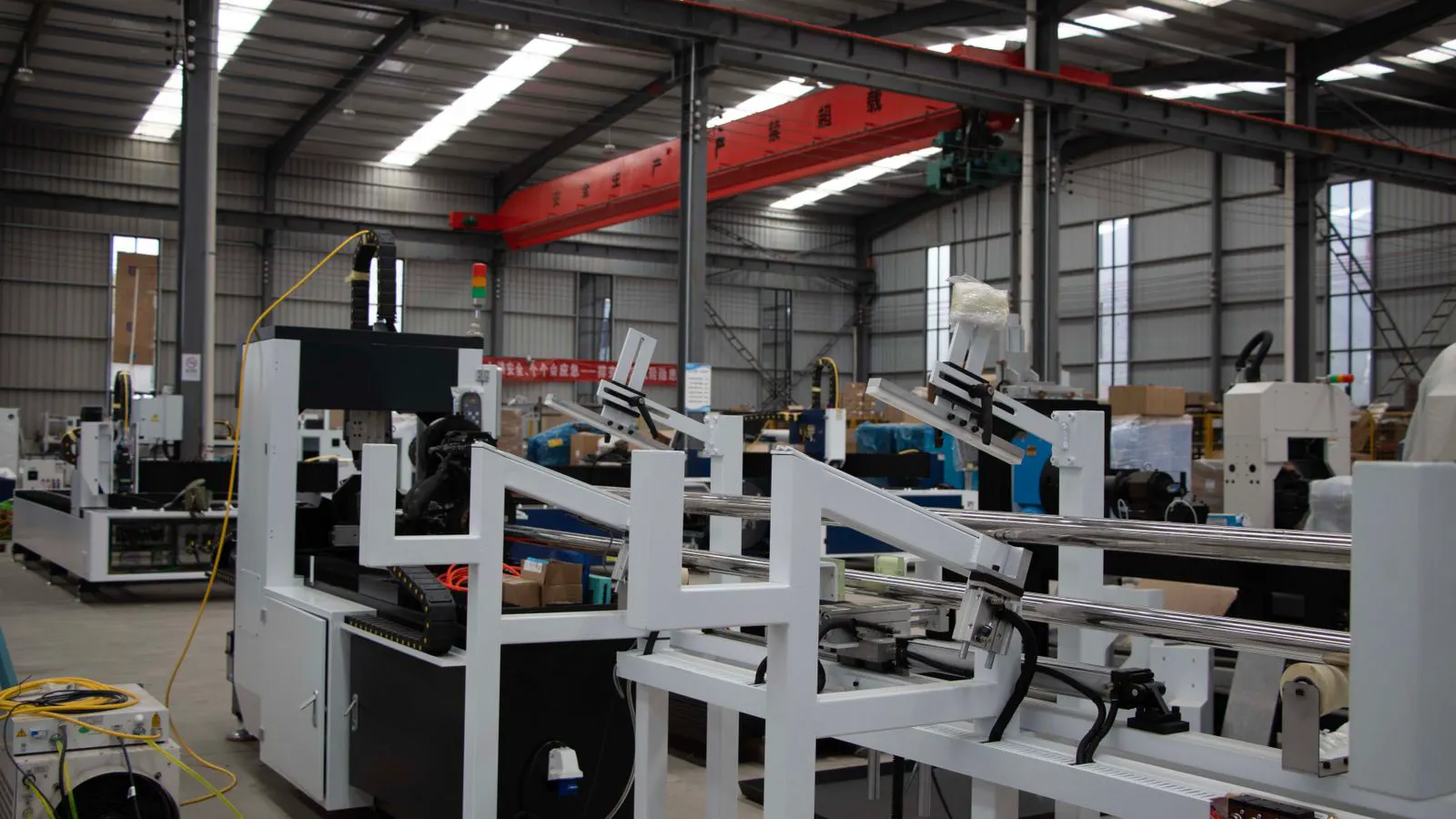
Conveyor systems move materials using frames, belts or chains, drives, and controls. Understanding these components helps buyers specify requirements and evaluate
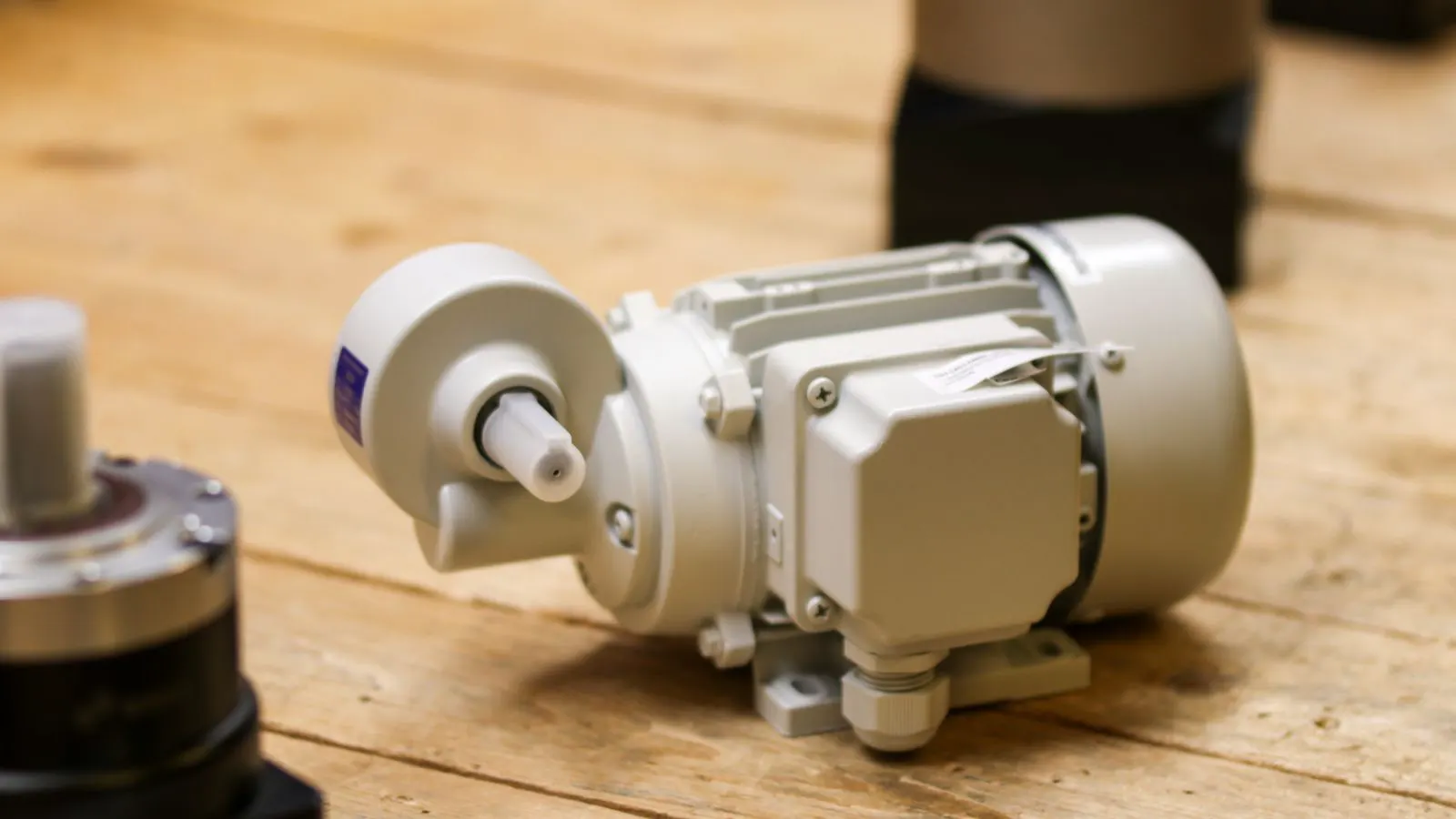
Choosing the right conveyor manufacturer requires matching drive mechanisms to load weight, speed, and environment. This guide provides a buyer's checklist for
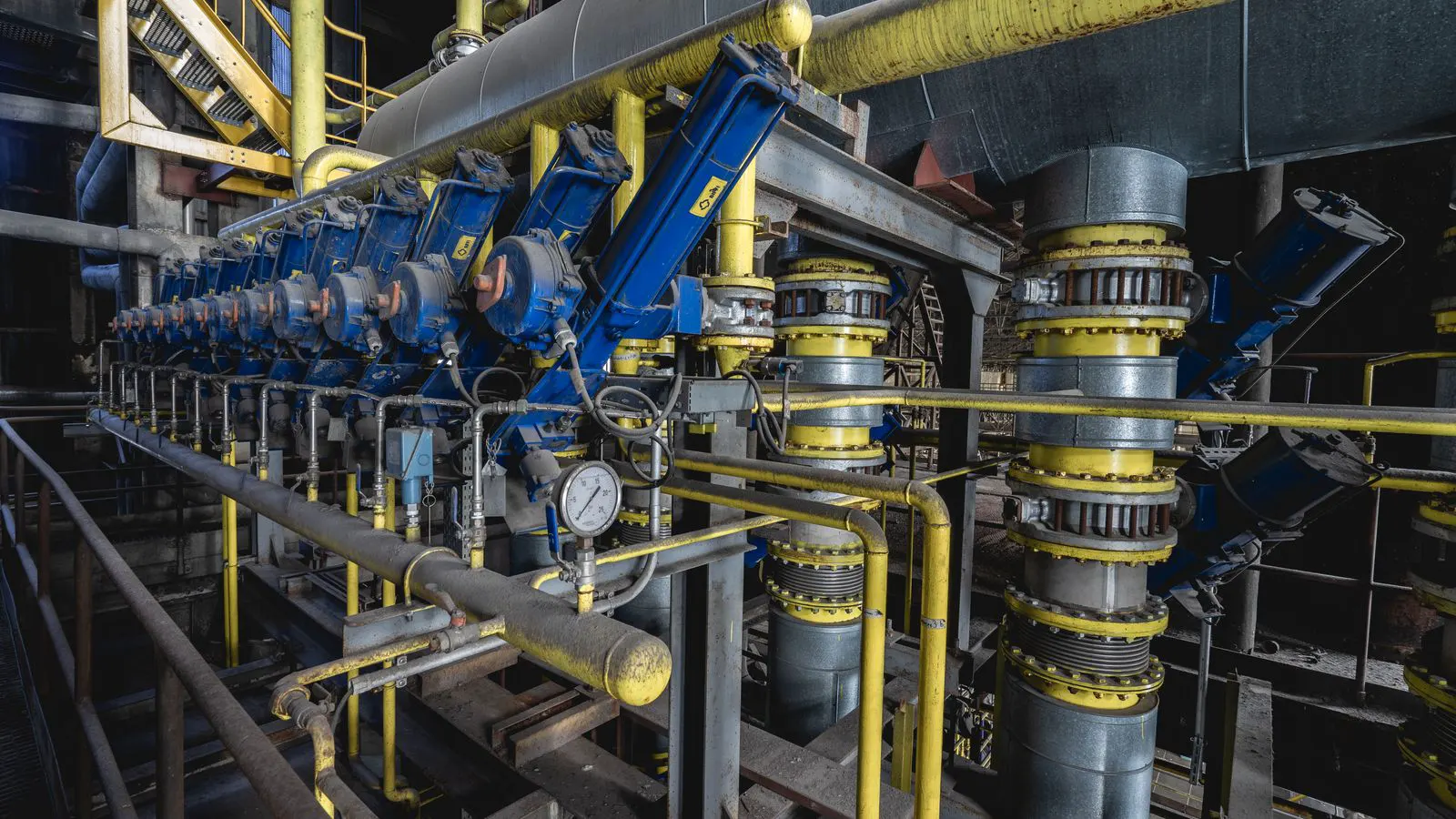
A conveyor motor overheats when electrical faults, mechanical drag, poor ventilation, or overload push current above safe limits. Identify symptoms early, inspect
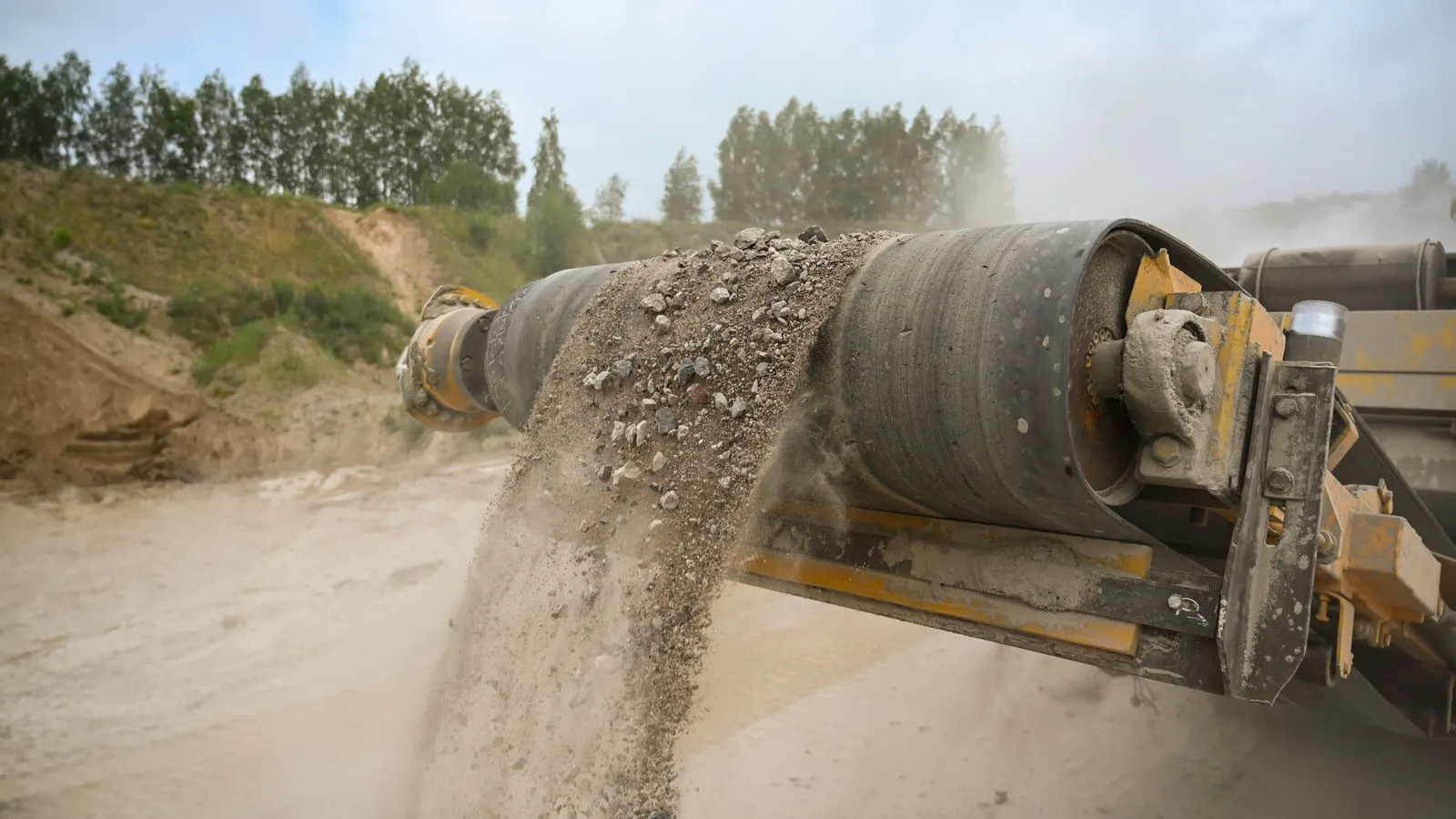
For heavy loads, chain conveyors typically offer superior structural strength and durability compared to belt conveyors. The right choice depends on material type