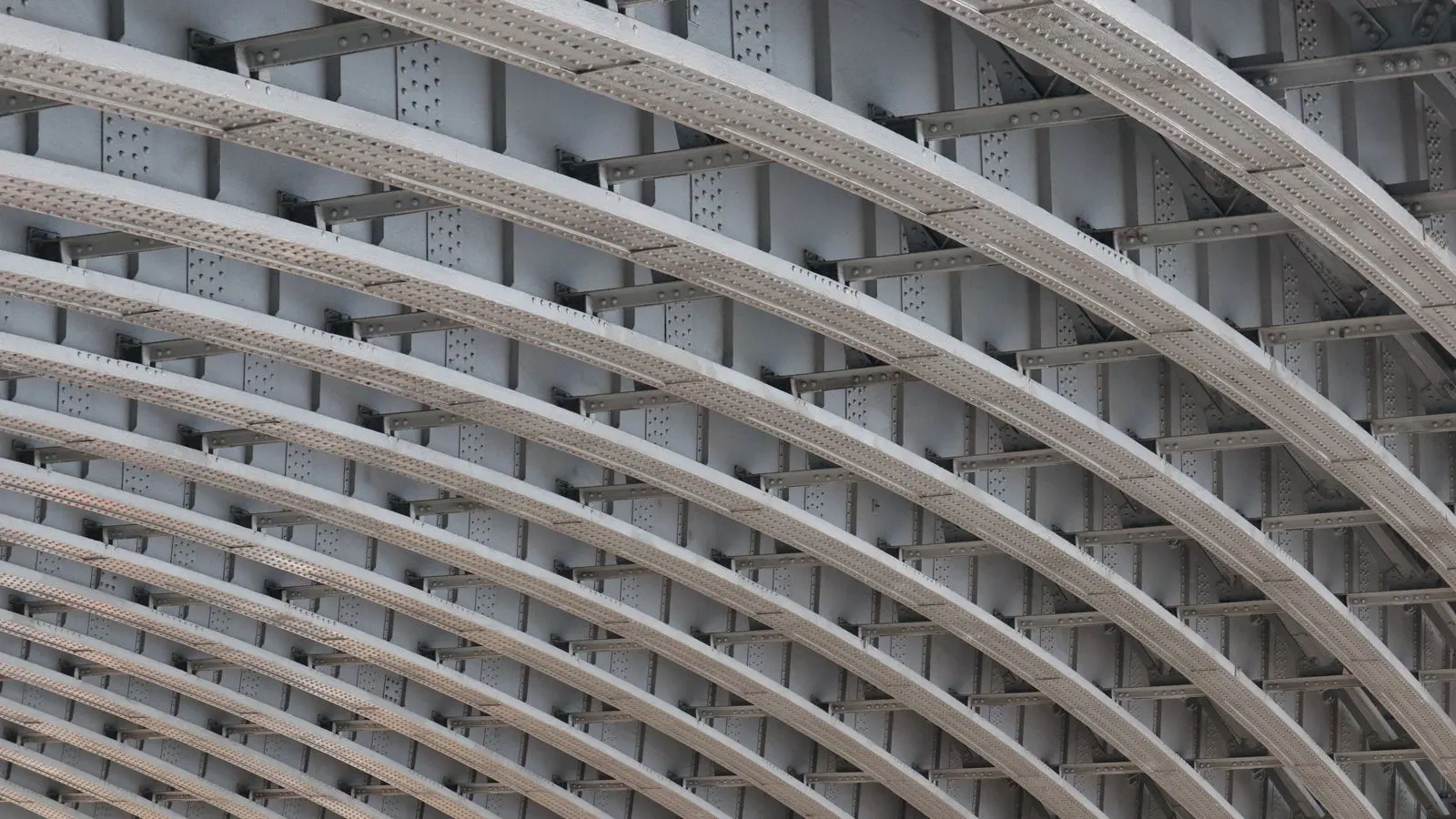
Design & Sizing
How Conveyor Length Affects Structural Load
Longer conveyors increase structural load through added weight, deflection, and dynamic forces. This affects support spacing, material selection, and span calculation.
Understand how to calculate load capacity, belt speed, and structural requirements when designing a conveyor system.
Longer conveyors increase structural load through added weight, deflection, and dynamic forces. This affects support spacing, material selection, and span calculation.
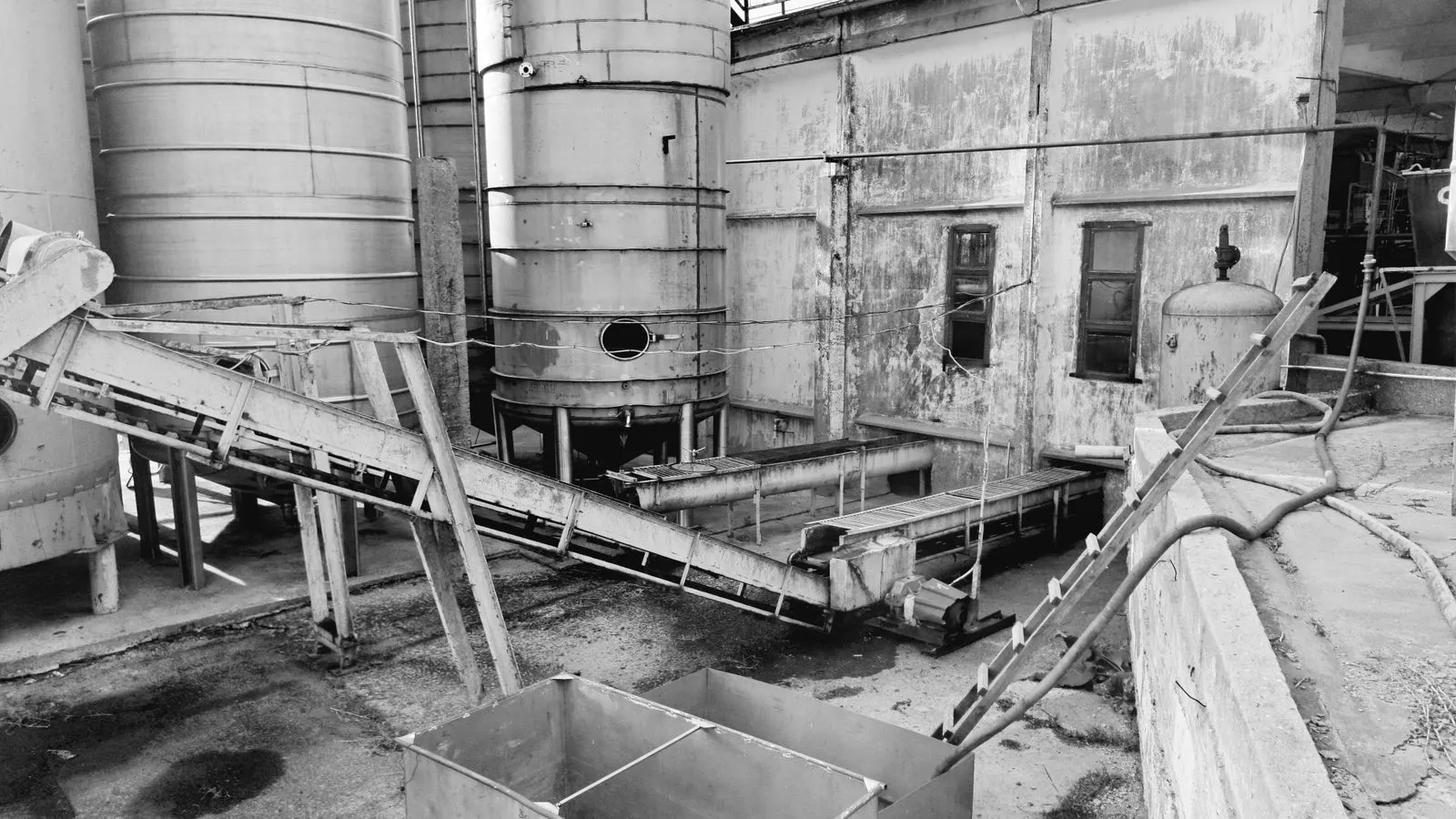
Choose belt conveyor systems for smooth, high-speed material flow and chain conveyors for heavy, abrasive, or vertical loads. Match the drive type to load weight, speed
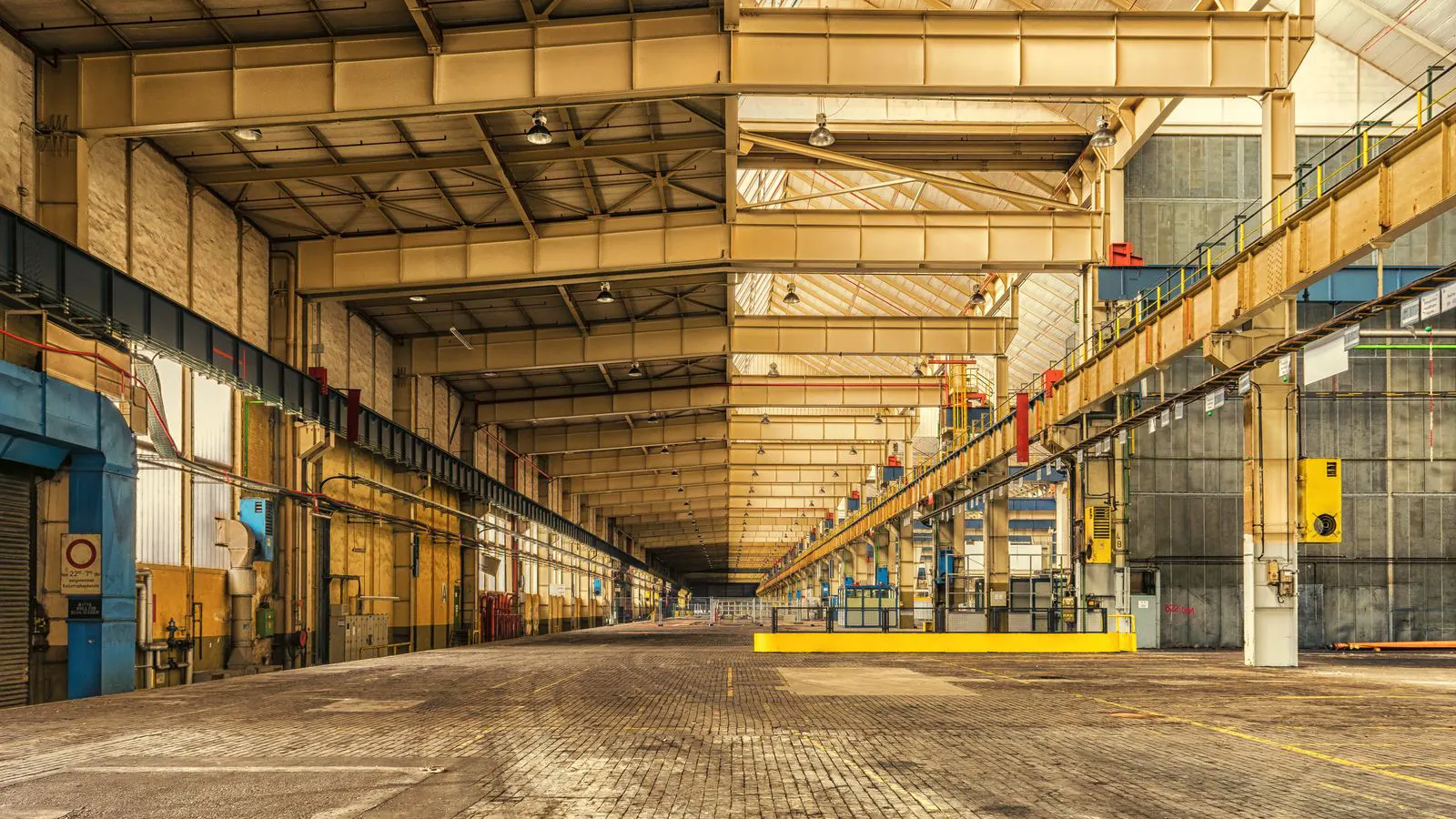
Sizing conveyors for high-volume import lines requires matching belt width, speed, and structural support to peak throughput and material flow. This guide outlines the
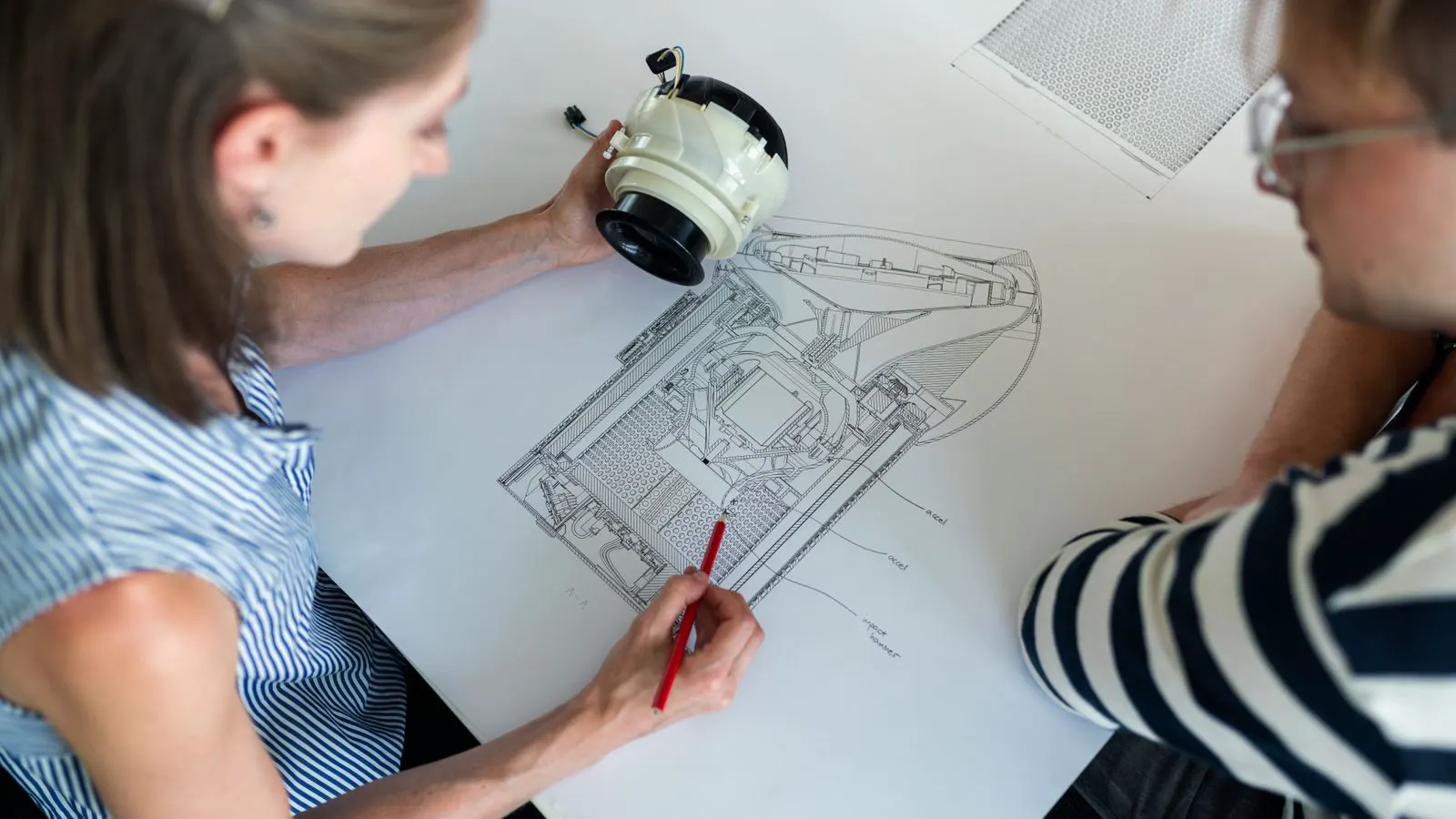
New materials and sizing methods are changing how industrial conveyors are designed. Buyers should plan for lighter frames, higher friction belts, and digital load
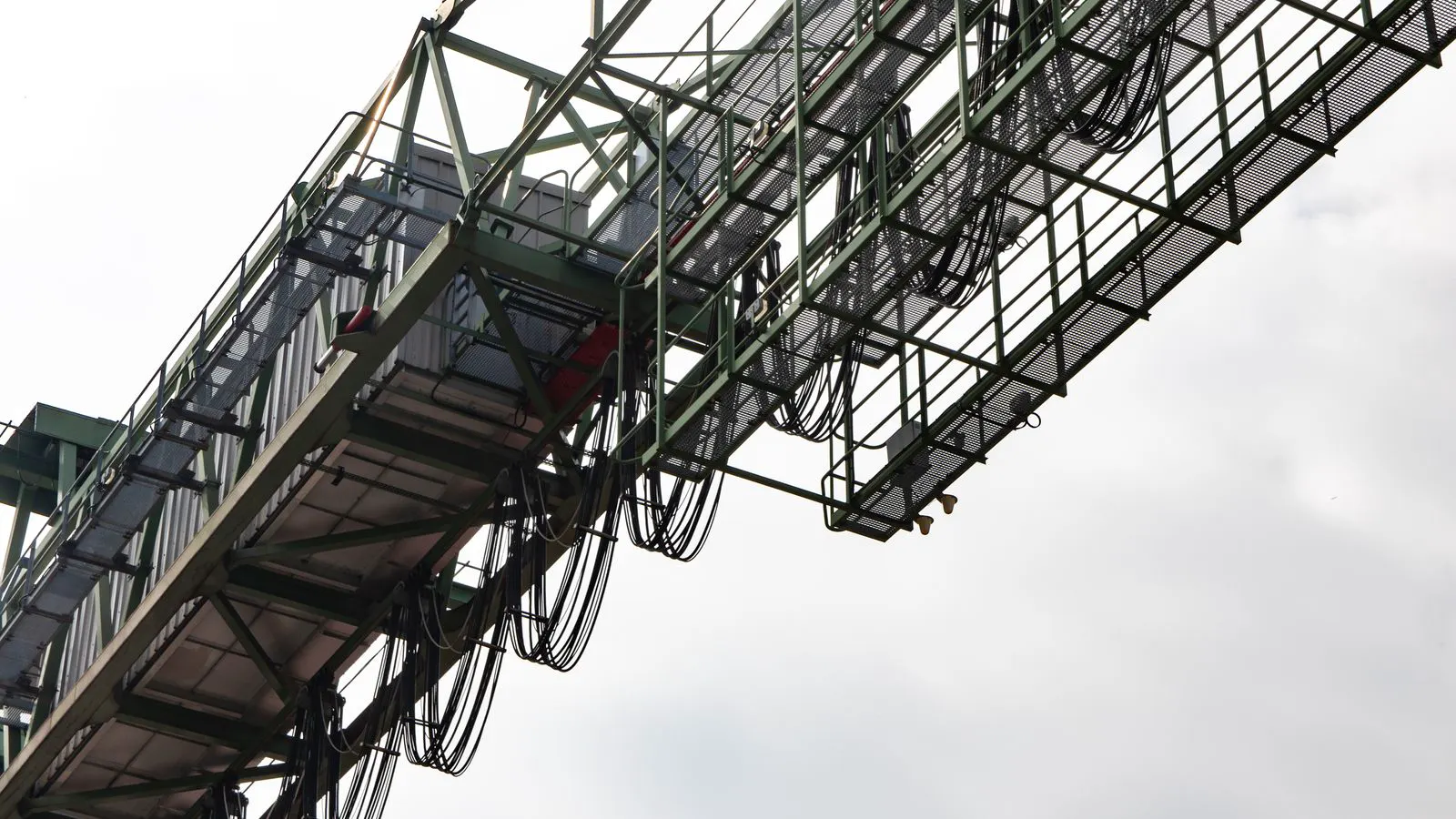
Long conveyors face higher deflection and bearing loads. This explainers covers how length affects structural sizing, load capacity calculation, and frame design for
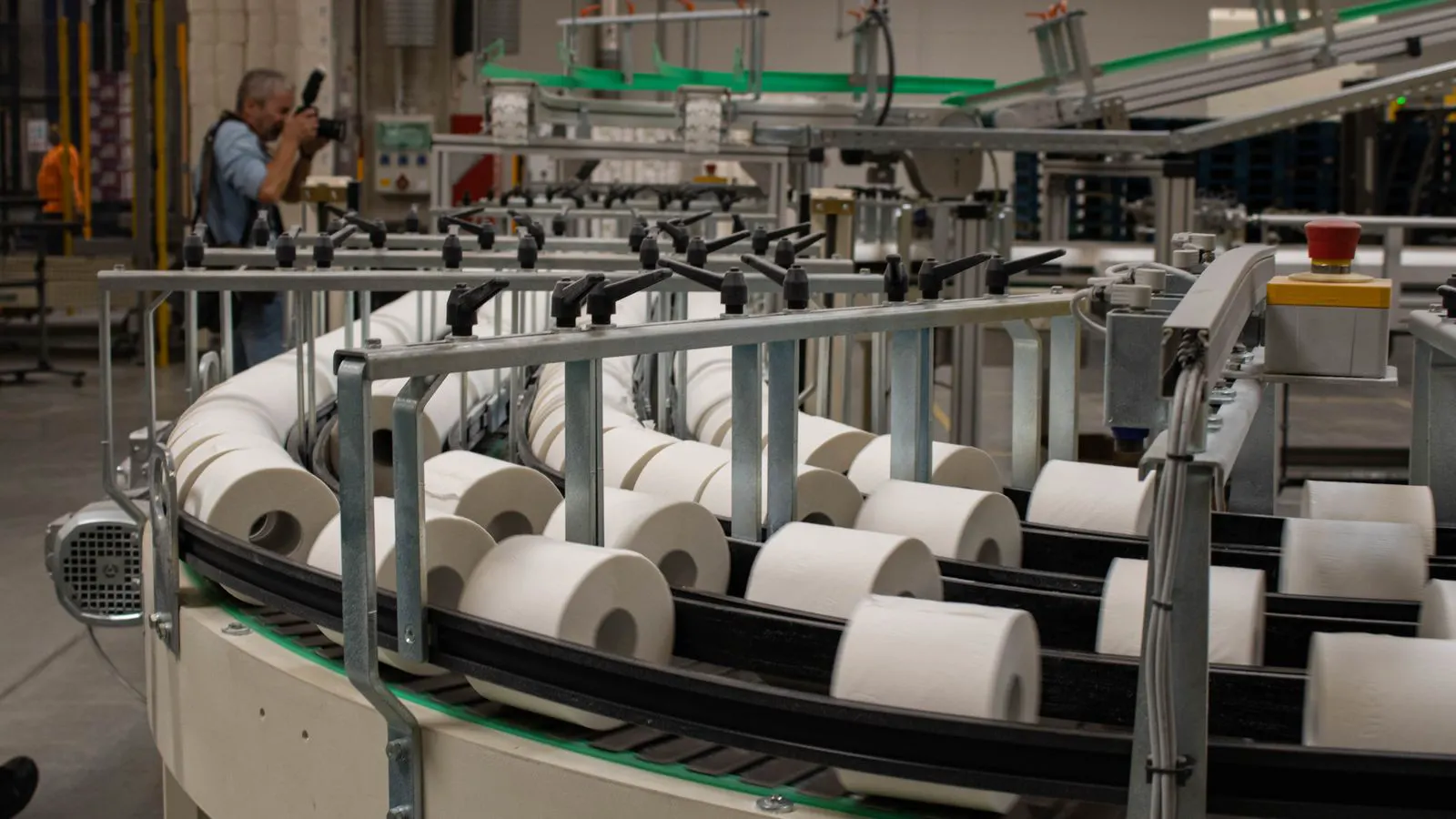
To calculate belt speed, divide total required throughput by the belt width and cross-section of the material. Adjust for slope, material type, and handling
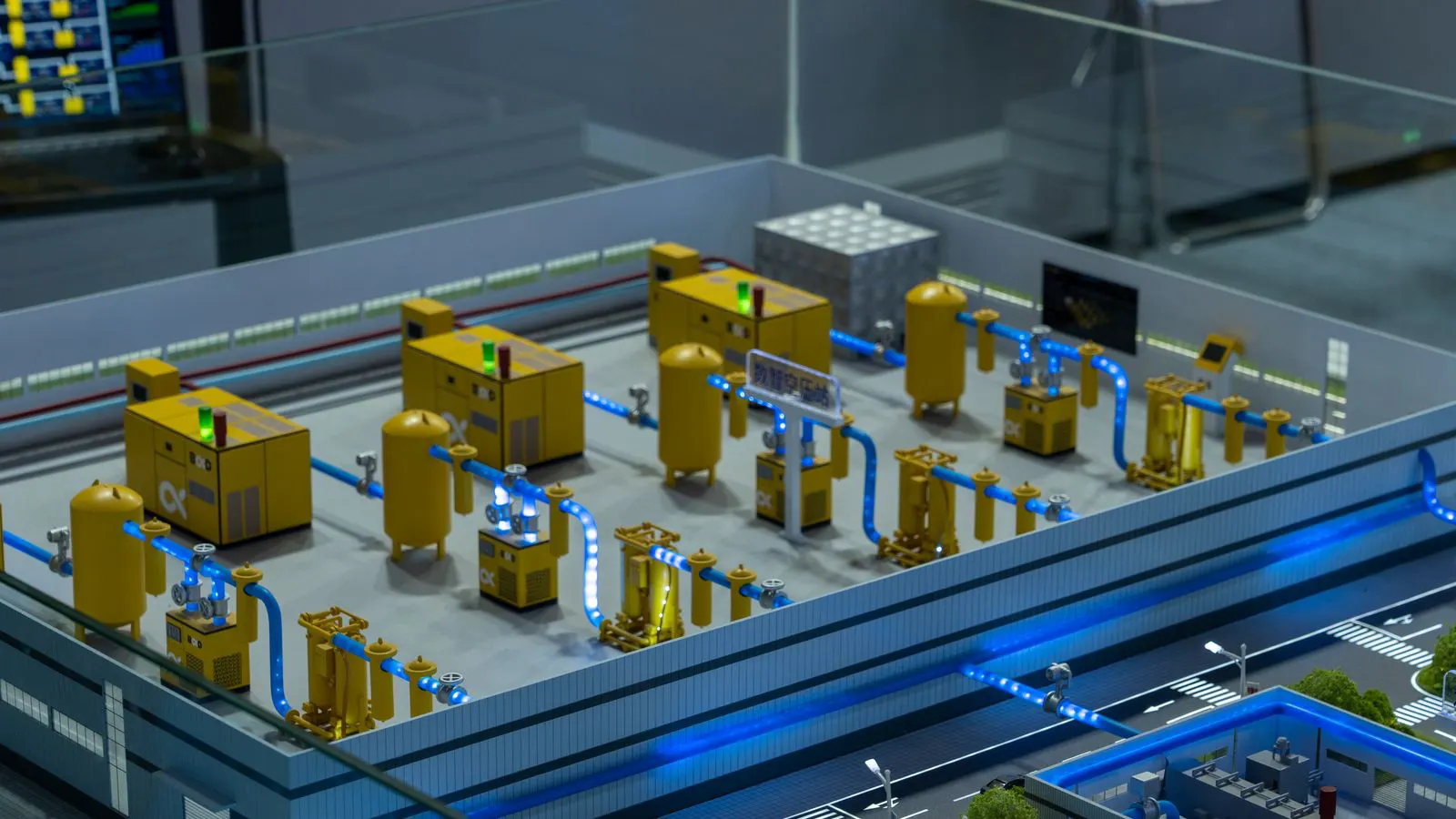
This practical conveyor design checklist helps engineers verify loads, speeds, and structural integrity. Use these audit points to catch sizing errors, material

Belt slippage and breakage stem from mismatched load, poor tension, or worn components. This guide outlines a diagnostic table for common symptoms, explains the
Custom conveyor cost depends on length, load, speed, and material. Lead time estimation requires clear technical specs. A well-written RFQ and standardized comparison
Chain conveyors handle heavier, bulkier loads with direct drive efficiency. Belt conveyors offer smoother, longer runs with lower friction. Your load weight, shape, and