Belt Conveyors
Troubleshooting: Belt Conveyor Misalignment and Tracking Issues
Belt conveyor misalignment and tracking issues cause spillage and accelerated wear. This guide lists common symptoms, identifies likely causes, and provides specific
Learn how to select, size, and maintain belt conveyor systems for continuous material transfer in industrial operations.
Belt conveyor misalignment and tracking issues cause spillage and accelerated wear. This guide lists common symptoms, identifies likely causes, and provides specific
A new belt conveyor requires systematic tension and tracking verification before startup. This guide provides a practical checklist to identify misalignment, improper
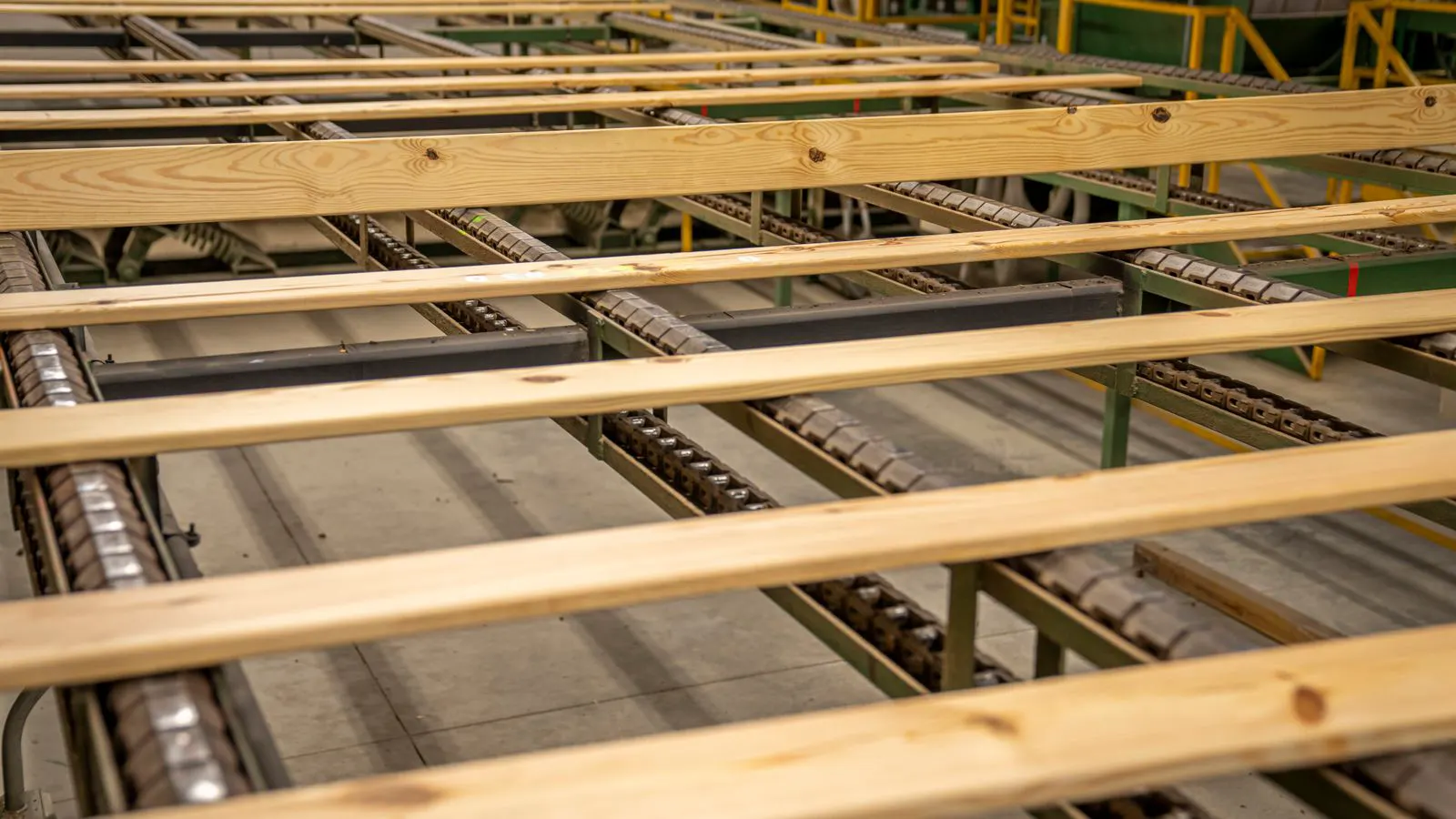
The belt conveyor materials outlook shows five major shifts in industrial design. Buyers should focus on chemical-resistant fabrics, low-maintenance coatings, and
Elevated belt conveyors maximize vertical clearance and speed but add structural cost. Floor level systems save space and are cheaper but limit throughput. Engineers
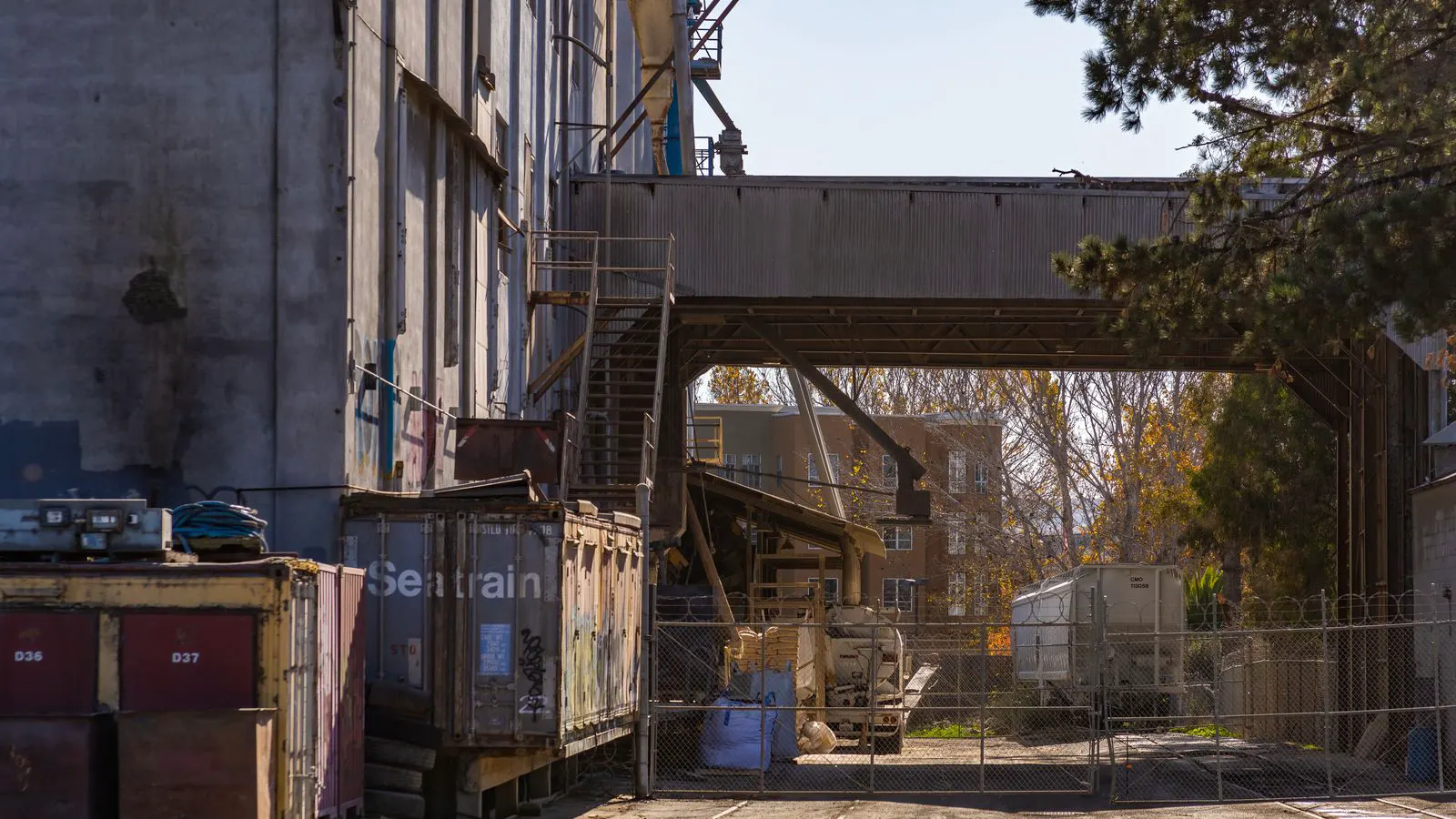
Belt conveyor sizing costs are driven by material volume and belt speed. Wider belts and higher speeds increase capital expenditure and energy usage. Proper budget
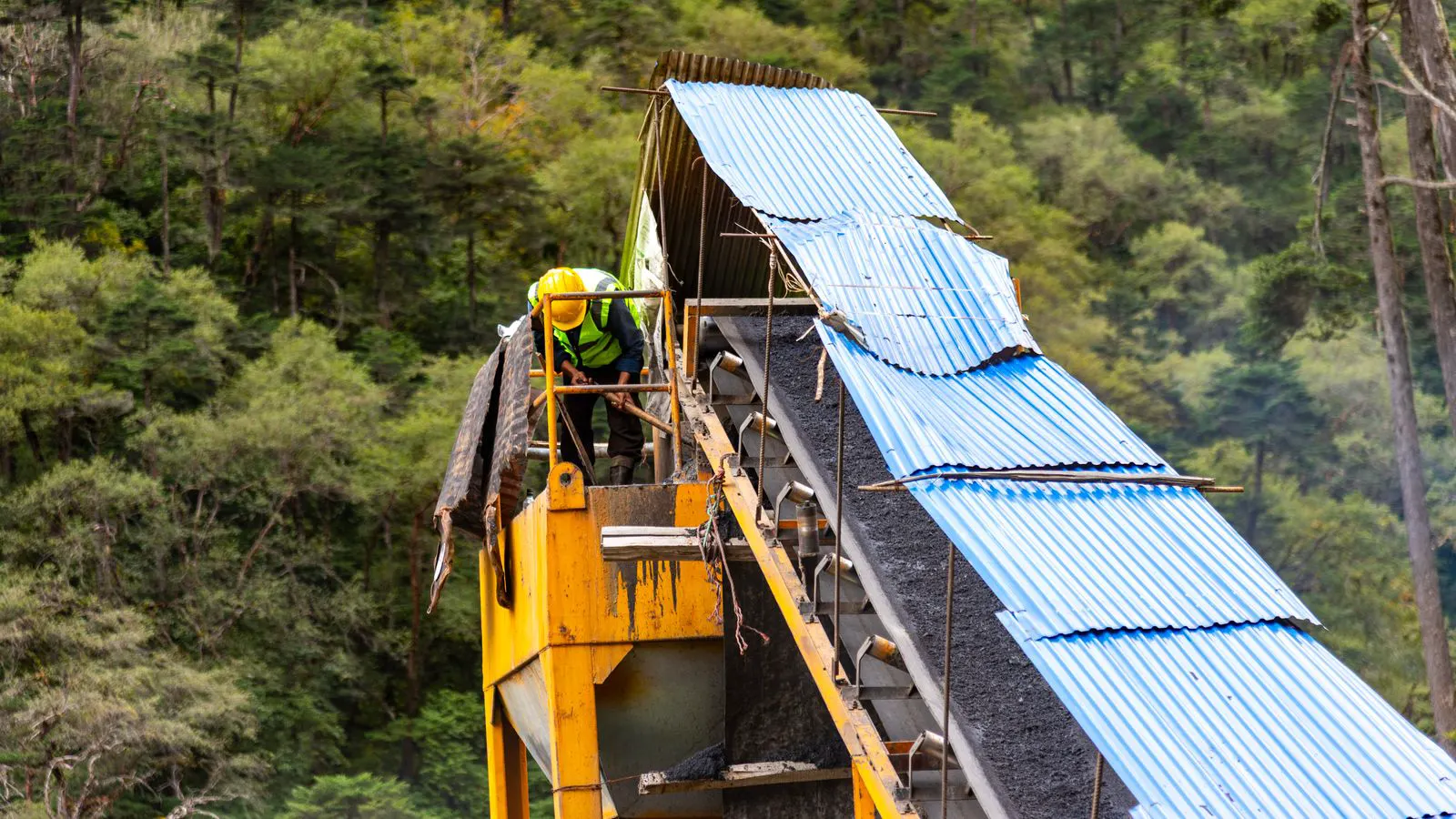
Pneumatic conveying moves materials through pressurized air lines, while gravity feed systems rely on slope to transport bulk material. The right choice depends on
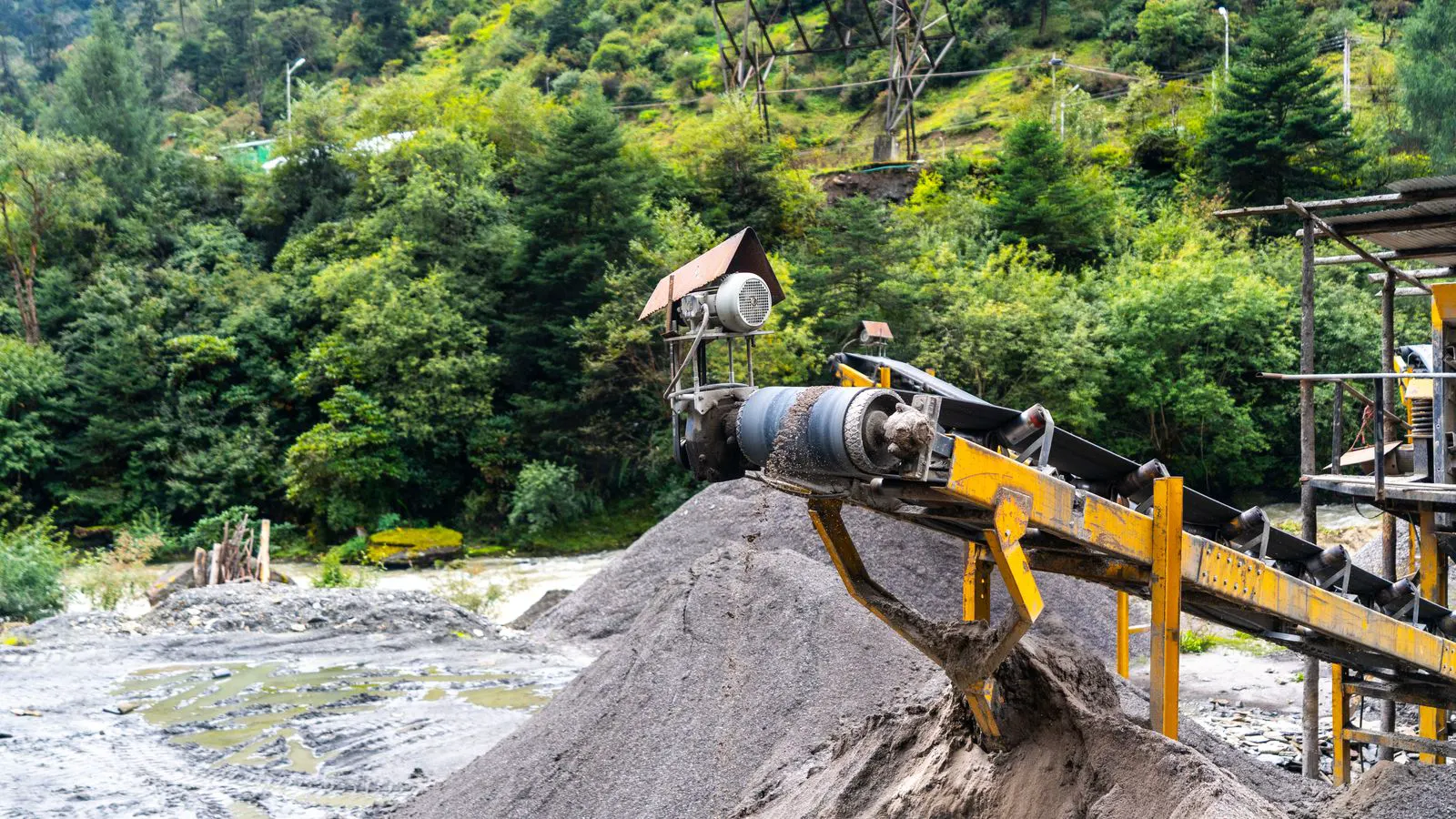
This guide breaks down the key features of industrial belt conveyors for professional buyers. It covers speed, belt construction, drive systems, load capacity, and
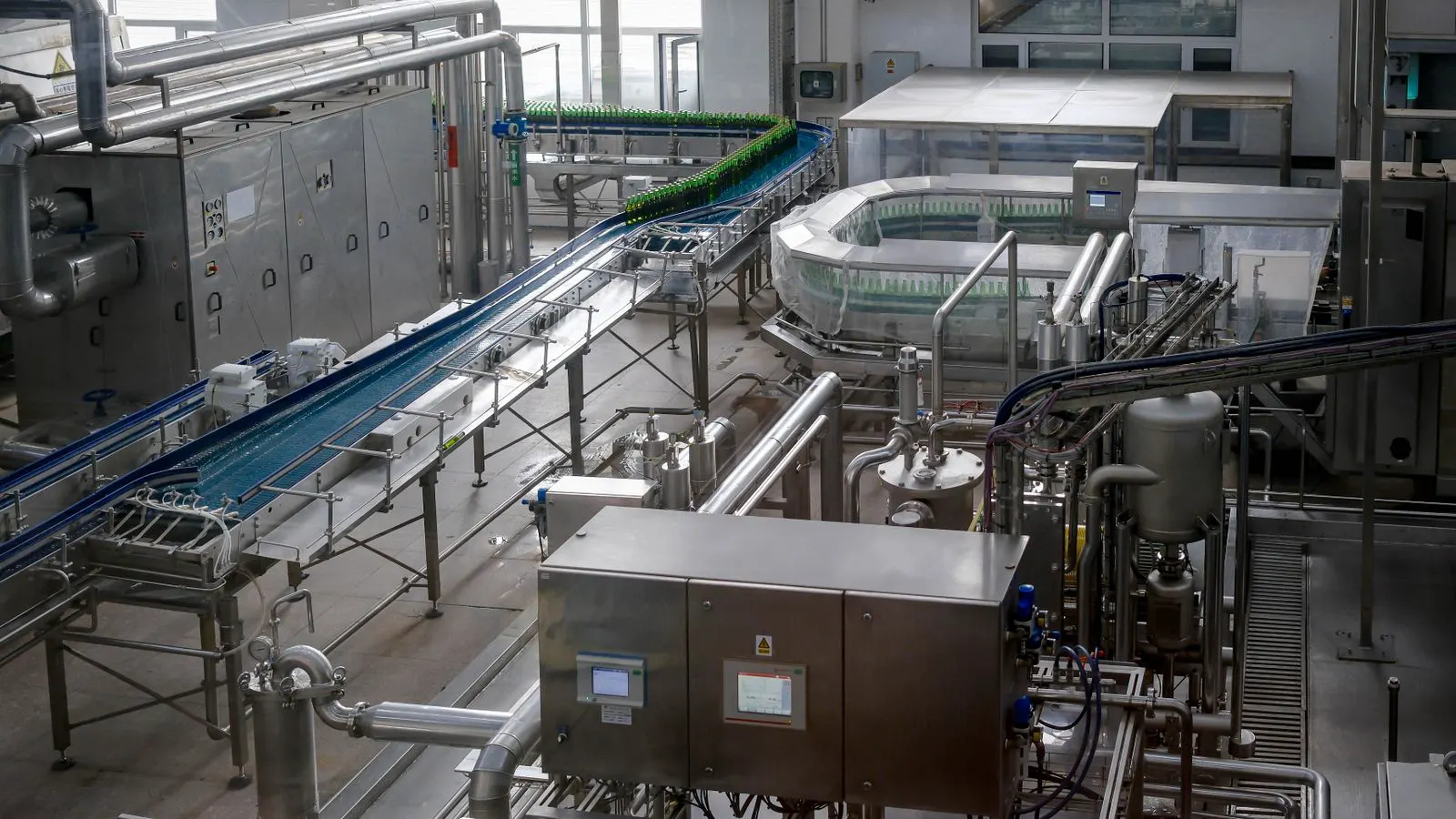
Set conveyor belt speed by matching belt velocity to the material flow rate. Use the correct speed calculation formula, verify belt capacity, and adjust for material
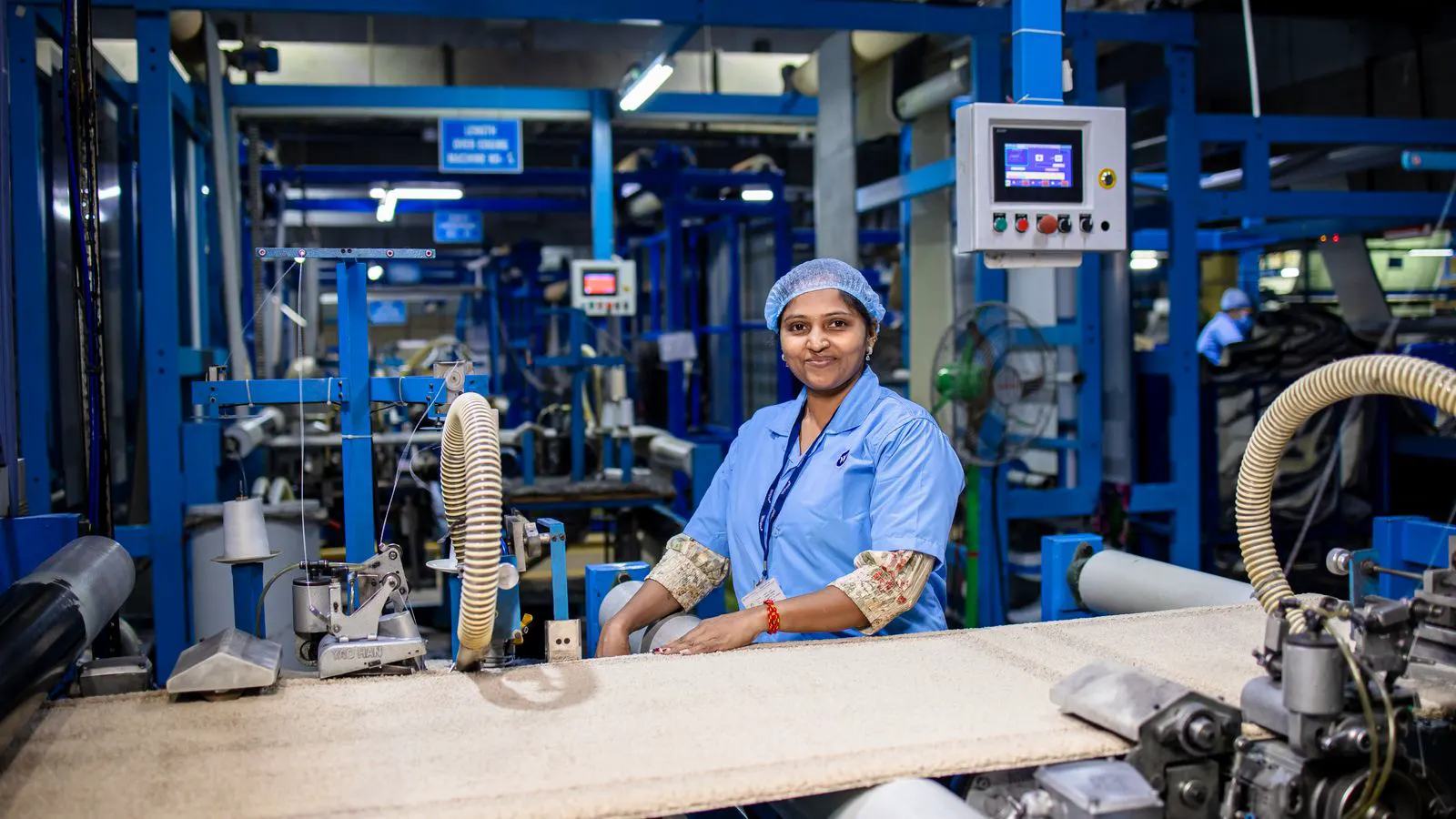
This guide outlines five major shifts in conveyor automation for 2026. It covers how sensor integration, data analytics, and predictive maintenance change capital
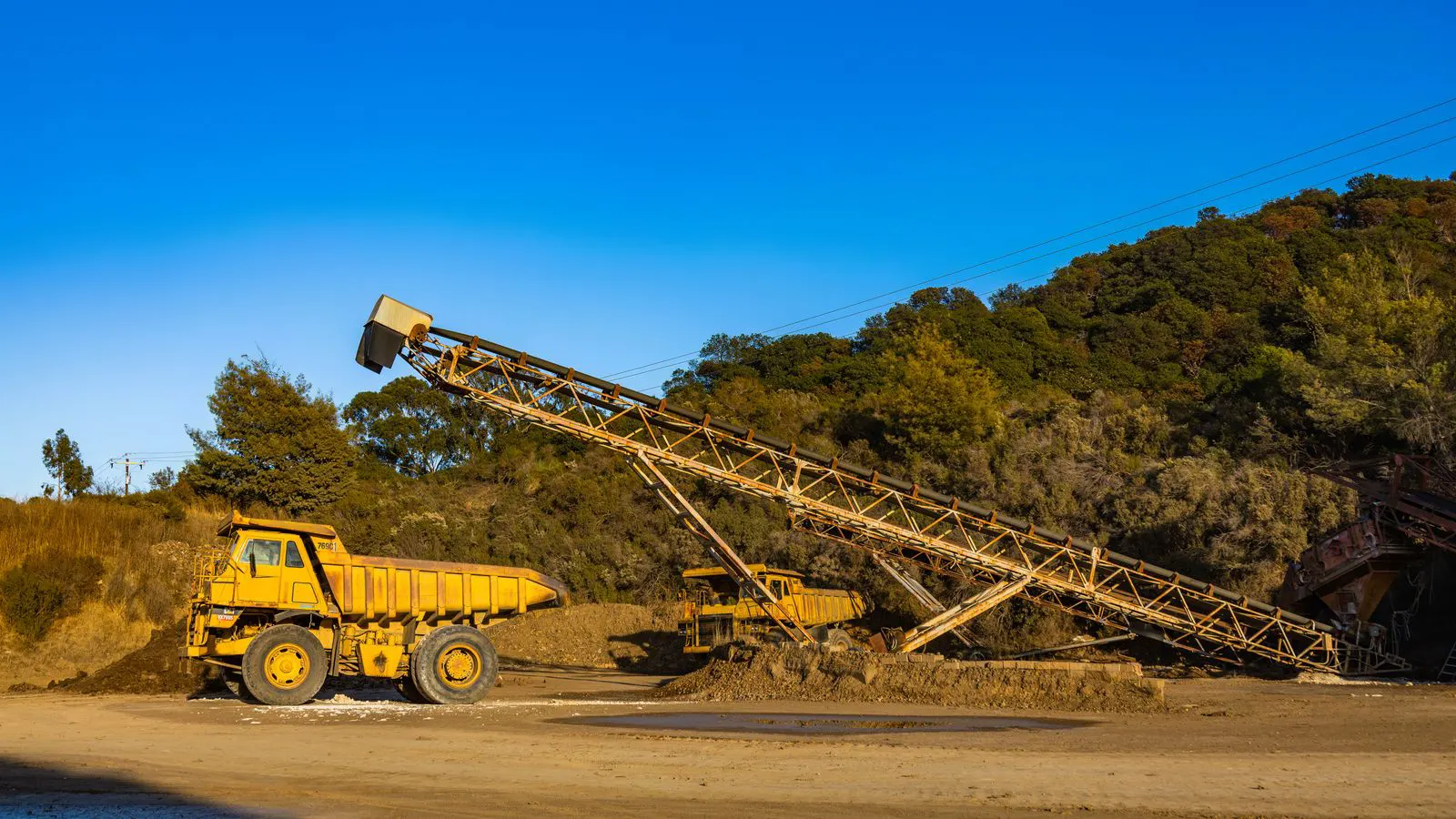
Conveyor belt materials determine how much weight a line carries, how long it lasts in harsh conditions, and how much maintenance it needs. Rubber, fabric, and steel
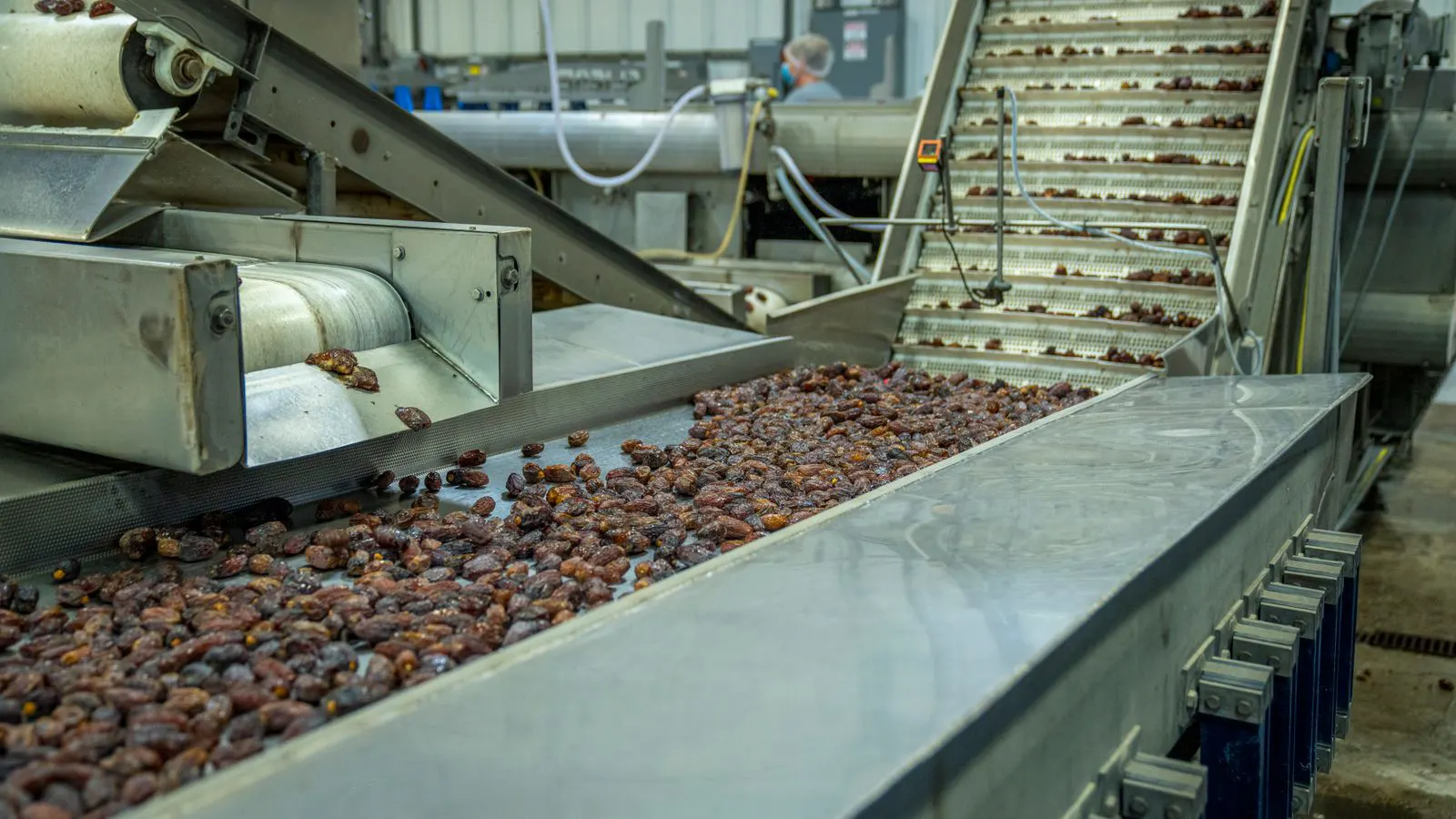
Standard belt conveyors ship faster but limit capacity and routing. Custom fabrication offers tailored dimensions and materials but extends lead time and increases cost.
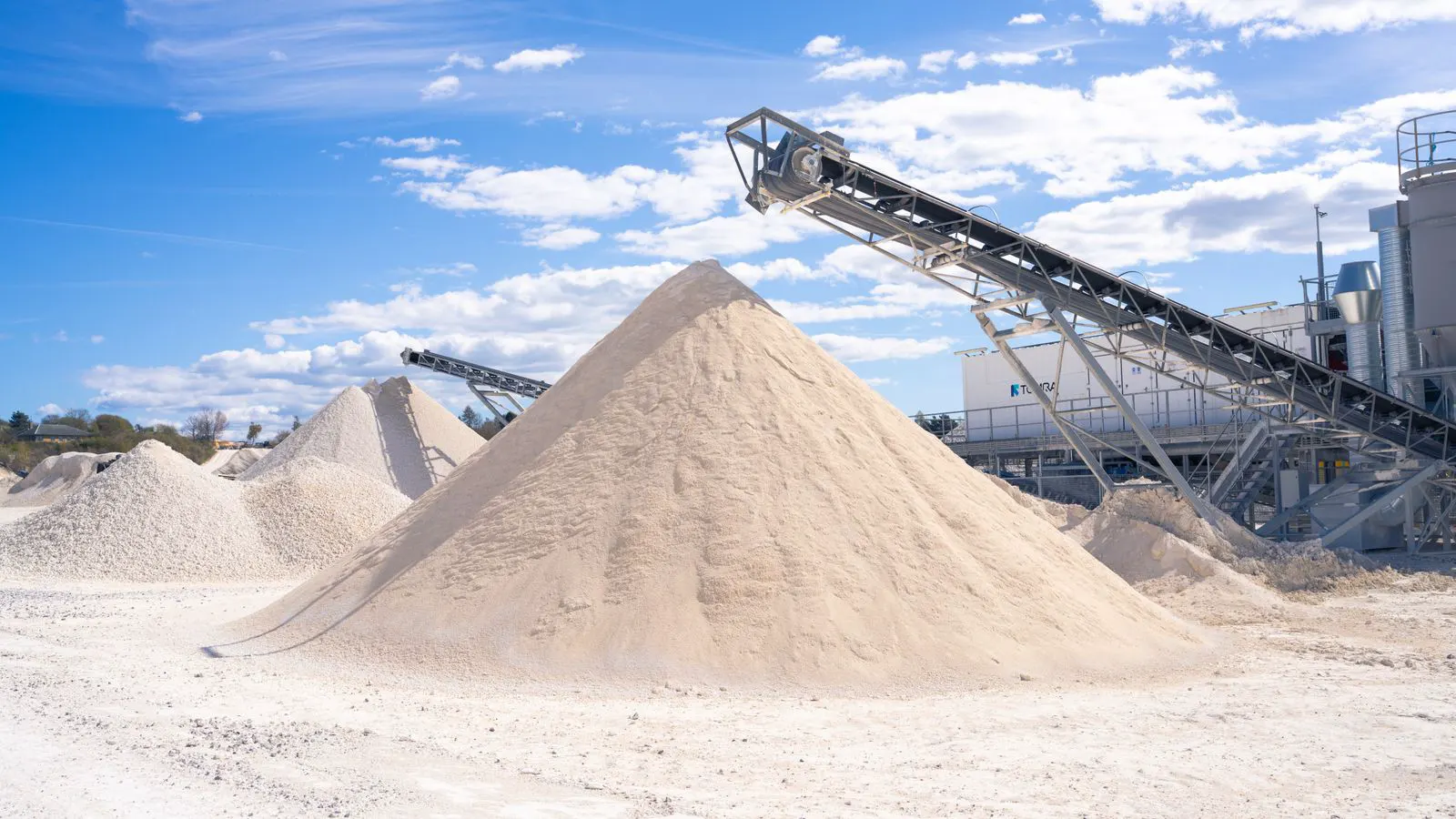
Belt conveyor slipping happens when traction fails between the belt and pulley. Common causes include worn pulleys, low tension, and excessive load. This guide covers