Conveyor belt materials determine how much weight a line carries, how long it lasts in harsh conditions, and how much maintenance it needs. Rubber, fabric, and steel belts each serve different roles based on load, temperature, and material type.
- Rubber belts handle high impact and abrasive loads, but they need careful tension management to prevent slipping.
- Fabric belts are lighter and flexible, making them ideal for moderate loads and tight turning radii.
- Steel belts are built for heavy, high-temperature applications where a rigid, unbroken surface is required.
- Belt selection must match the specific material being moved, not just the total weight.
- Environmental factors like temperature, moisture, and chemical exposure can override standard load ratings.
Why Belt Material Drives the Whole System
The belt is the moving heart of any conveyor line. It determines how much material the system can move, how well it handles rough edges or abrasive particles, and how much maintenance the line will demand over its life. Choosing the wrong material creates a cascade of problems. A belt that is too soft will wear through quickly. A belt that is too rigid will struggle to flex over rollers, causing edge damage and early failure.
When engineers and buyers specify a conveyor, the belt material is often the first decision that locks in the rest of the design. It influences the frame strength, the motor size, the roller spacing, and the cleaning equipment required. A system designed for a heavy steel belt cannot simply be swapped to a lighter fabric belt without re-checking the structural supports. The material choice is not just about the belt itself. It is about the entire machine that carries it.
What Are Rubber Belt Types and How Do They Differ
Rubber belts are the most common choice for general material handling. They are made by combining a carrier fabric core with rubber compound layers on one or both sides. The rubber compound is what gives the belt its grip, flexibility, and resistance to wear. There are several types of rubber belts, and each one is engineered for a specific job.
Standard rubber belts are built for general use. They handle a broad range of materials, from finished goods to moderately abrasive products. The rubber compound is balanced for good grip and decent durability. These belts are easy to source and fit most standard conveyor designs.
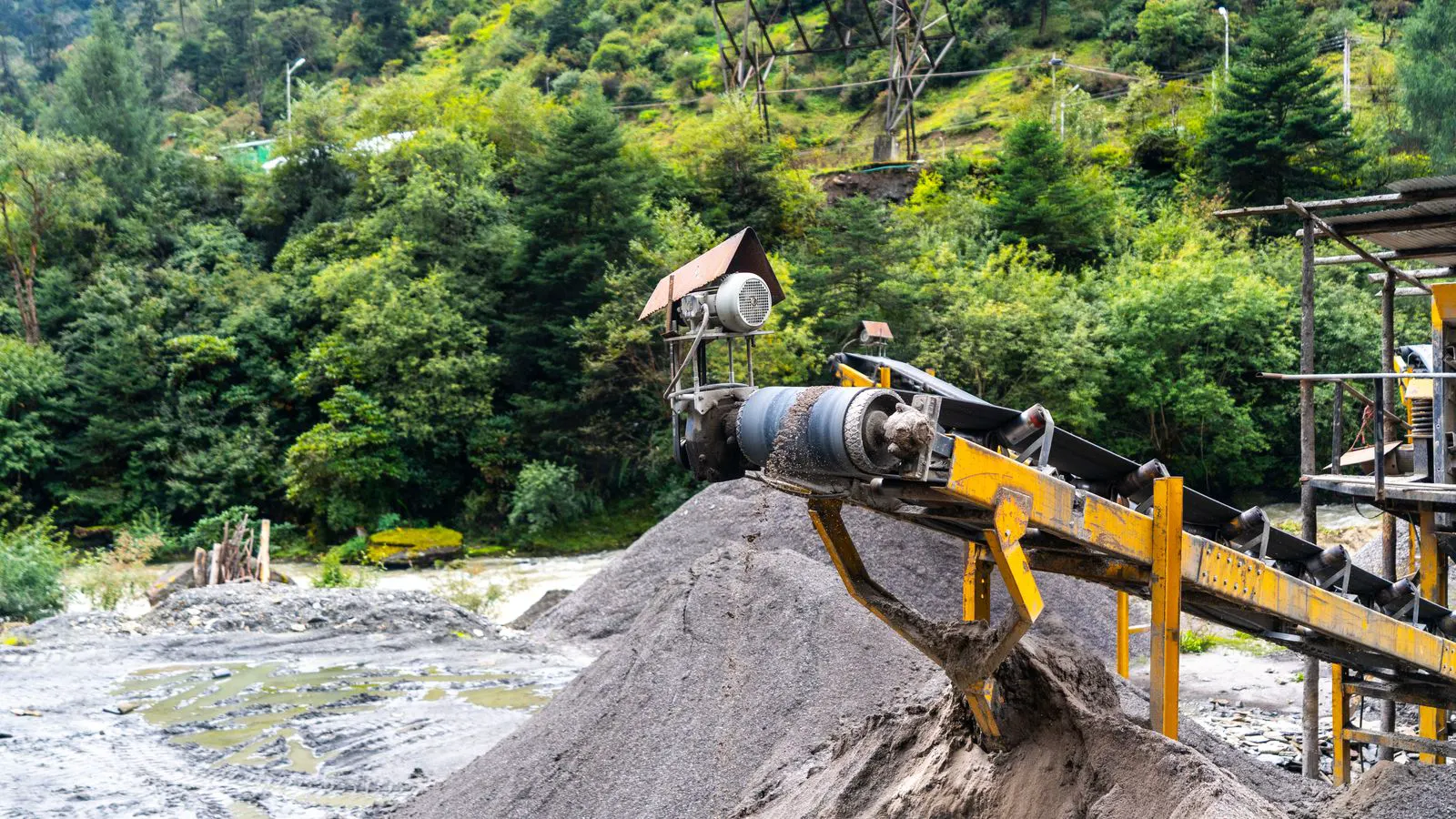
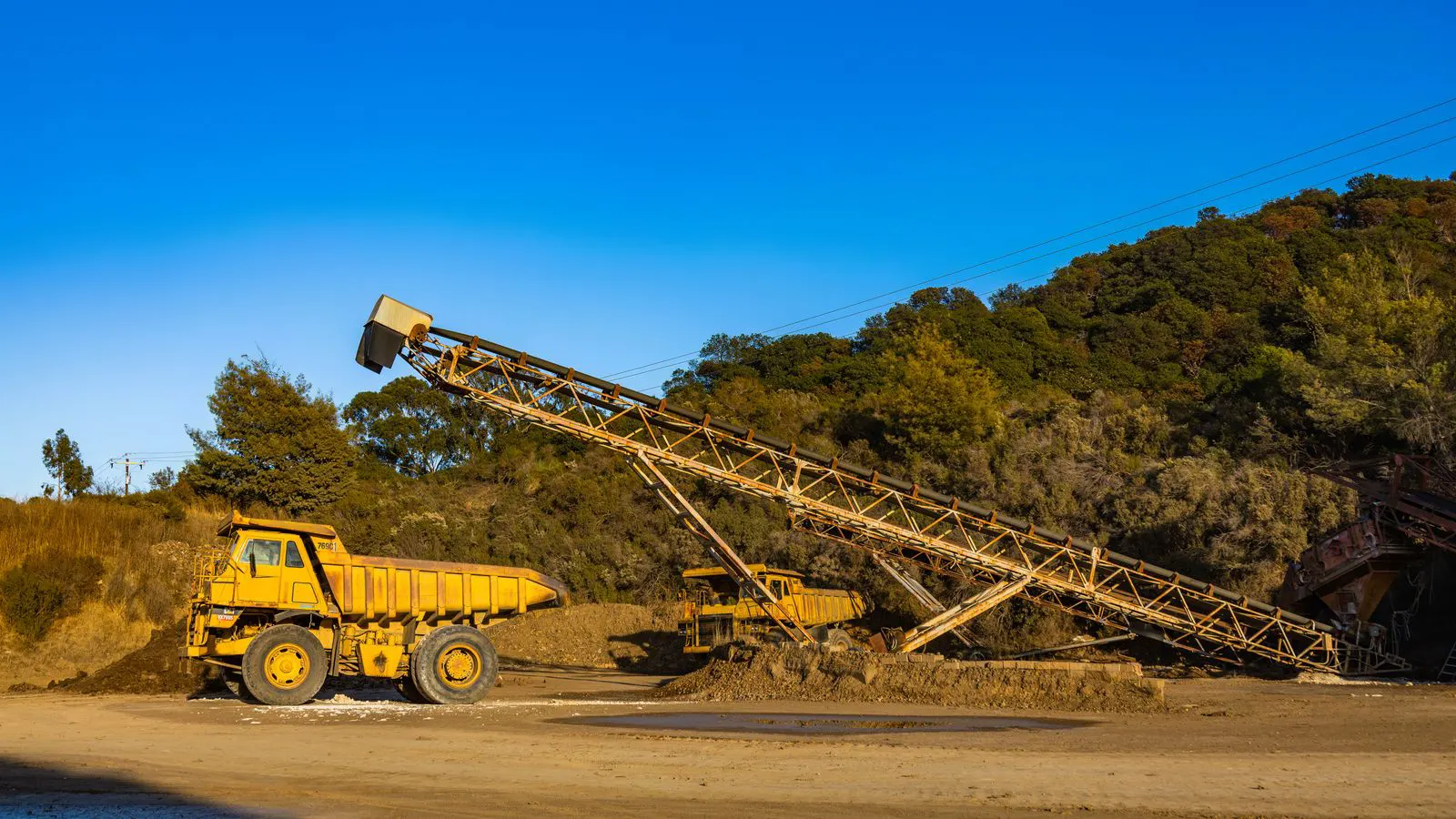
Heavy-duty rubber belts use thicker rubber layers and higher-grade compounds. They are designed to handle high impact loads, such as rocks, ore, or other coarse materials. The rubber is tougher and more resistant to cutting and abrasion. These belts are heavier and cost more, but they last longer in harsh environments.
Pneumatic or air-cushion belts are a specialized type of rubber belt. They have a porous rubber structure that allows air to pass through. This creates a cushion of air between the material and the belt surface. They reduce friction and wear, making them ideal for delicate or sticky materials.
The choice between these types depends on the material being moved. A belt designed for a finished product will not perform well with abrasive rock. The rubber compound, the thickness of the layers, and the presence of protective edge protection all need to match the load.
Understanding Fabric Belt Structure
Fabric belts, also known as textile belts, are built differently from rubber belts. They use a woven or knitted fabric core that provides strength and flexibility. The core is coated with a thin layer of rubber or other polymer on the surface. This coating provides grip and protects the fabric from moisture and chemical exposure.
The fabric structure is the key to the belt’s performance. The core can be made from polyester, polyamide, or aramid fibers. Polyester is the most common and offers good strength at a lower cost. Polyamide is more flexible and resists moisture better. Aramid fibers are extremely strong and heat-resistant, but they are more expensive.
The way the fabric is woven also matters. A plain weave is simpler and more cost-effective. A ripstop weave adds extra reinforcement to prevent tears from spreading. A multi-ply construction stacks several fabric layers to increase the total tensile strength. The structure determines how much load the belt can carry before it stretches or fails.
Fabric belts are lighter than rubber belts. This makes them easier to handle during installation and reduces the load on the rollers. They also have a lower profile, which allows for tighter turning radii. For applications where space is tight or the load is moderate, fabric belts are often the better choice. They are also quieter and vibrate less, which can be important in certain industrial settings.
When Steel Belts Are the Right Choice
Steel belts are a different category entirely. They are made from a continuous strip of steel, often with a patterned surface to provide grip. They do not stretch. They do not tear. They are rigid and heavy.
Steel belts are used in high-temperature applications where rubber would melt or degrade. They are also used in applications where a perfectly flat, unbroken surface is required, such as in some metal processing or food processing lines. The steel does not absorb moisture, so it is resistant to chemical attack.
The trade-off is weight and rigidity. A steel belt requires a much stronger frame and larger motors to move it. It cannot flex over small rollers without risking damage. The installation process is more complex and requires precise alignment. Maintenance is different as well. The belt does not wear down in the same way a rubber belt does, but the rollers and frame take more stress.
Steel belts are not for every application. They are a specialized solution for specific problems. If the material being moved is hot, or if the surface needs to be perfectly rigid, a steel belt is the standard choice. Otherwise, the cost and complexity are rarely justified.
Matching Belt Material to Environmental Conditions
The environment where the conveyor operates can change the best belt material. Temperature, moisture, chemicals, and UV exposure all affect how a belt performs over time.
Heat is the biggest challenge for rubber belts. Standard rubber compounds begin to degrade at high temperatures. The rubber softens, loses grip, and eventually cracks. For high-heat applications, a heat-resistant rubber compound or a steel belt may be required. Fabric belts can also struggle with heat, but the fabric core can handle more temperature than rubber before the coating fails.
Moisture and water exposure affect all belt types. Water can cause fabric belts to swell and weaken the fibers. It can also cause rubber to degrade if the compound is not water-resistant. Steel belts are immune to moisture, but they can rust if the surface is damaged. The environment determines whether a belt needs a special coating or a different material altogether.
Chemical exposure is another critical factor. Acids, alkalis, and solvents can attack rubber and fabric coatings. A belt that works perfectly in a dry warehouse may fail quickly in a chemical processing plant. The chemical compatibility of the belt material must be checked against the specific substances being handled.
Practical Sourcing Considerations
Sourcing the right belt material involves more than just picking a type. It involves understanding the lead times, the customization options, and the documentation required for the purchase.
Standard belts are often available off the shelf in common sizes and materials. They have shorter lead times and lower costs. Custom belts, which are made to specific lengths, widths, and material specifications, take longer to produce. The lead time can vary significantly depending on the complexity of the design and the supplier’s production schedule.
When sourcing a custom belt, the buyer needs to provide clear specifications. The length, width, thickness, material type, and any special coatings or edge protection must be defined. The more detail provided, the better the final product will perform. Ambiguous specifications lead to a belt that does not fit the application.
Documentation is also important. Material certificates, test reports, and compliance documents are often required for industrial projects. These documents verify that the belt meets the specified standards and can be used safely in the intended environment. Requesting this documentation early in the process avoids delays later.
A Worked Example: Choosing a Belt for a Recycling Facility
Consider a recycling facility that needs to move mixed waste material, including cardboard, plastic, and some heavy metal pieces. The material is moderately abrasive and can include sharp edges. The facility operates in a warm environment with occasional high humidity.
The first step is to assess the load. The material is not uniformly heavy. Some pieces are light and bulky, while others are dense and sharp. A standard rubber belt would handle the general load, but the sharp edges could cut through the rubber over time. A fabric belt would be lighter but might tear more easily from the sharp objects.
A heavy-duty rubber belt with a tough compound and reinforced edge protection is the better choice. The thick rubber layer resists the abrasion from the cardboard and plastic. The reinforced edge protects against the sharp metal pieces. The rubber compound can handle the warm, humid environment without degrading quickly.
The frame and rollers must be sized to support the weight of the heavy-duty belt. The motor must have enough torque to move the belt with the full load. The cleaning system must be robust enough to remove debris from the belt surface without damaging it. This is not a one-part decision. The belt material drives the entire system design.
By matching the belt to the specific material and environment, the facility avoids early failures and costly downtime. The belt lasts longer, the maintenance is predictable, and the system performs reliably.
Frequently asked questions
Can a standard rubber belt be used for high-temperature applications?
No, standard rubber compounds degrade at high temperatures. A heat-resistant compound or a steel belt is required for those conditions.
What is the main advantage of a fabric belt over a rubber belt?
Fabric belts are lighter, more flexible, and can handle tighter turning radii with a lower profile.
When is a steel belt the best option?
Steel belts are best for high-temperature environments or applications that require a perfectly rigid, unbroken surface.
How do I know if my belt material is compatible with the chemicals I am handling?
Check the material compatibility charts provided by the belt manufacturer against the specific chemicals in your process.
What happens if I choose a belt that is too light for the load?
The belt will stretch, wear faster, and put excessive stress on the rollers and frame, leading to early failure.