Pneumatic conveying moves materials through pressurized air lines, while gravity feed systems rely on slope to transport bulk material. The right choice depends on material handling, distance, and facility constraints. Use this comparison to match the method to your specific operational needs.
- Pneumatic conveying uses air pressure to move material through ducts, removing the need for long mechanical runs.
- Gravity feed systems use inclined or vertical drops to move material, requiring careful slope and flow control.
- Material characteristics, such as density and stickiness, are the primary drivers in selecting a transfer method.
- Energy consumption and maintenance patterns differ significantly between air-based and mechanical approaches.
- A hybrid approach often works best in complex plant layouts that combine short mechanical runs with longer air lines.
Selecting a material transfer method is rarely about choosing the most expensive or the most visible technology. It is about matching the physics of the material to the constraints of the plant.
A conveyor comparison between pneumatic conveying and gravity feed systems reveals two very different approaches to moving bulk goods from one point to another. The decision hinges on distance, material behavior, and the physical limits of the facility.
How Each System Works
Pneumatic conveying uses a pressurized air stream to carry material through a network of ducts and pipes. The material is entrained in the air flow, often through a carrier gas system. The system can be divided into two main types: dilute phase, where the material travels as a fluidized stream, and dense phase, where the material moves in a slug or plug.
Gravity feed systems rely on the physical slope of the transfer path. Material is loaded onto an inclined surface and moves downward due to gravity. This method includes simple chutes, inclined belts, and gravity feed hoppers. The material must have enough flow characteristics to move without bridging or arching in the feed path.
The core difference is the source of energy. Pneumatic systems apply direct aerodynamic force to the material. Gravity systems apply a controlled potential energy release. Neither is inherently superior. The choice depends on what the material can withstand and how the plant is laid out.
Comparison Table
| Option | Best for | Limitations |
|---|---|---|
| Pneumatic Conveying | Long distances, vertical lifts, remote transfer points, fine or granular materials | High energy consumption, material attrition, dust management, complex ducting |
| Gravity Feed Systems | Short to medium distances, dense materials, high throughput, simple layouts | Requires slope, limited vertical movement, susceptibility to bridging, space constraints |
| Hybrid Approach | Complex plants combining both methods, multi-level facilities, mixed material handling | Increased system complexity, higher initial design cost, need for integrated controls |
| Inclined Belt Conveyor | Short uphill runs, dense bulk materials, moderate throughput | Limited angle of repose, risk of material spillage, maintenance of belt alignment |
| Air Cushion Conveyor | Smooth transfer of delicate or abrasive materials, low wear | High energy use, limited material types, specialized components |
When Pneumatic Conveying Is the Right Choice
Pneumatic conveying is the standard for applications where mechanical conveyors cannot reach. If the transfer distance is long, or the material must move between building levels, air-based transfer is often the only practical option.
The method excels with granular materials, powders, and small particles. It handles materials that are difficult to move on belts, such as those that degrade or become wet. The ducting can be routed through existing structural spaces, making it flexible for retrofits.
However, the energy cost is significant. The air compressors or fans required to move the material represent a continuous operating expense. The air stream also generates noise and heat, which can affect the work environment. Material attrition is a concern for abrasive or fragile goods, as the particles collide with duct walls and each other.
For a plant that needs to move fine grain over a long horizontal distance, pneumatic conveying is often the default. The material moves as a fluid stream, and the ducting can be laid out to minimize interference with existing equipment. The trade-off is the ongoing cost of air generation and the need for proper filtration and dust collection.
When Gravity Feed Systems Are the Right Choice
Gravity feed systems are the backbone of many bulk material handling plants. They are simple, reliable, and energy efficient. If the material is dense and flows well, gravity is the most efficient way to move it.
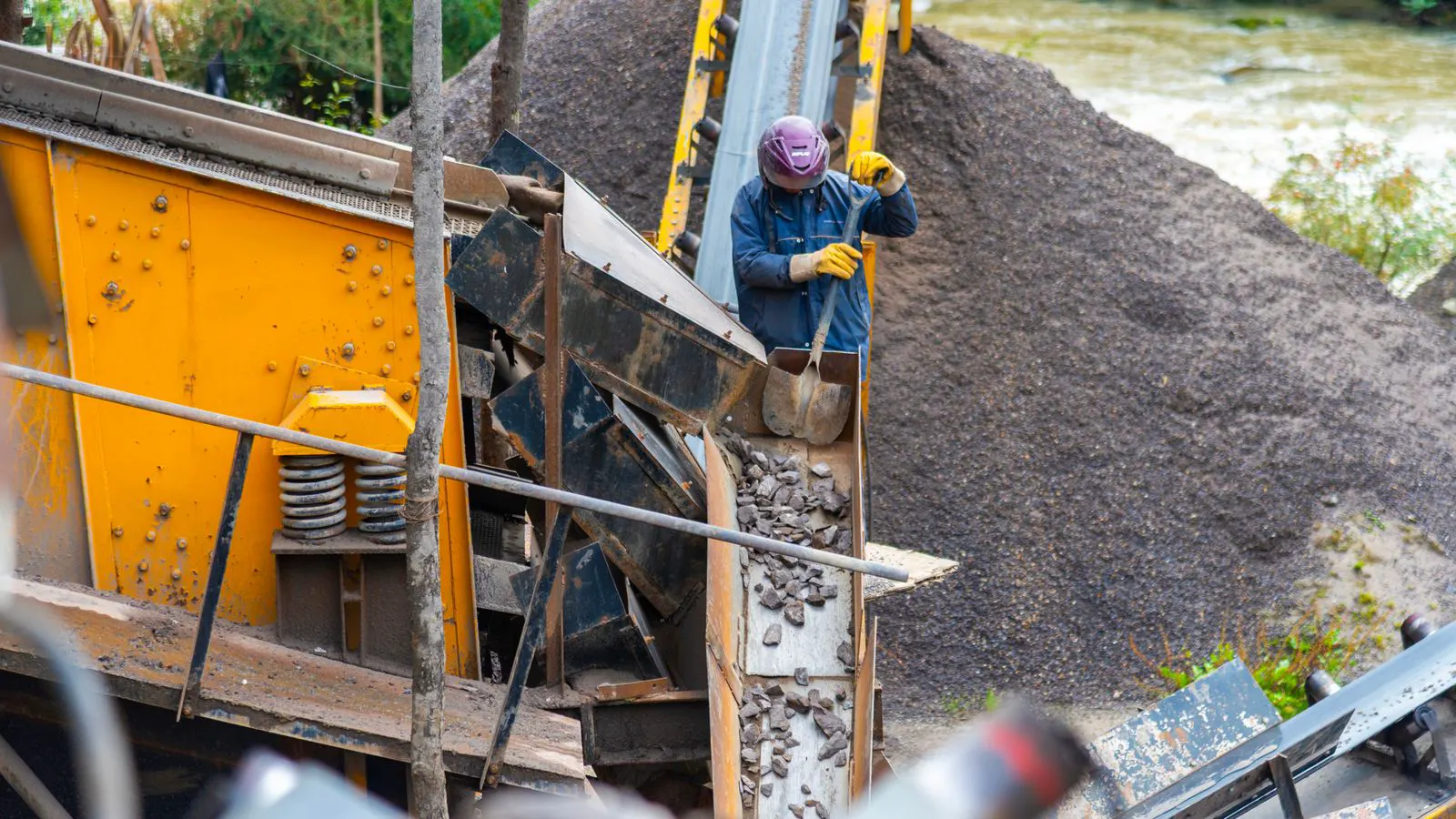
The method works best when the transfer distance is short to medium and the layout allows for a downward slope. It is ideal for dense bulk materials like aggregate, coal, or minerals. The throughput can be very high, and the maintenance is straightforward.
The limitations are physical. The system requires a slope, which takes up space. It cannot lift material to a higher level without an additional mechanism. If the material tends to bridge or arch, the flow can stop. This is common with sticky, cohesive, or poorly graded materials.
For a plant that moves large volumes of dense material over a short distance, a gravity feed chute or inclined belt is often the best choice. The system is simple to build and easy to maintain. The primary risk is flow blockage, which must be managed through proper sizing, vibration, or slope control.
Evaluating Material Characteristics
The material is the deciding factor in a conveyor comparison. Not all materials behave the same way under air pressure or gravity flow.
Dense, free-flowing materials like sand, gravel, and coal are ideal for gravity systems. They move quickly and predictably. Fine powders and light granules are better suited for pneumatic conveying. They are entrained in the air stream and move without clogging.
Sticky or cohesive materials, such as wet clay or certain plastics, are problematic for both systems. In pneumatic conveying, they can plug the ducts. In gravity systems, they can bridge the chute. For these materials, a specialized approach is often needed, such as a heated chute, a vibratory feeder, or a pneumatic system with specific air velocity settings.
Abrasive materials cause wear in both systems. In pneumatic conveying, the ducts wear quickly. In gravity systems, the chutes and belts wear. The choice of material handling method must account for the expected wear rate and the cost of replacement.
Energy, Maintenance, and Cost
The operating cost of a transfer system is a major factor in the decision. Pneumatic conveying has a high energy cost due to the air compression or fan operation. The energy use varies with distance, duct size, and material density. The system requires regular inspection of ducts, valves, and compressors.
Gravity feed systems have a low energy cost. The only energy required is for the initial loading and, in some cases, for vibration or slope control. Maintenance is limited to checking for wear, cleaning blockages, and inspecting structural supports.
The initial cost also differs. Pneumatic systems require ducting, air generators, and often a cyclone separator. Gravity systems require chutes, supports, and sometimes feeders. The installation cost for pneumatic systems can be higher due to the complexity of the ducting layout. Gravity systems are often cheaper to install if the slope is available.
For a plant with limited space and complex layout, the higher cost of pneumatic conveying is often justified. For a plant with open space and a straightforward layout, gravity systems are the lower cost option.
Hybrid Approaches for Complex Plants
Many industrial facilities use a combination of methods. A hybrid approach allows the plant to take advantage of the strengths of each system.
A common setup uses gravity feed chutes for short downward runs and pneumatic conveying for long horizontal or vertical transfers. The material moves by gravity to a collection point, then is transferred by air to the final destination. This reduces the length of the pneumatic ducting and lowers the energy cost.
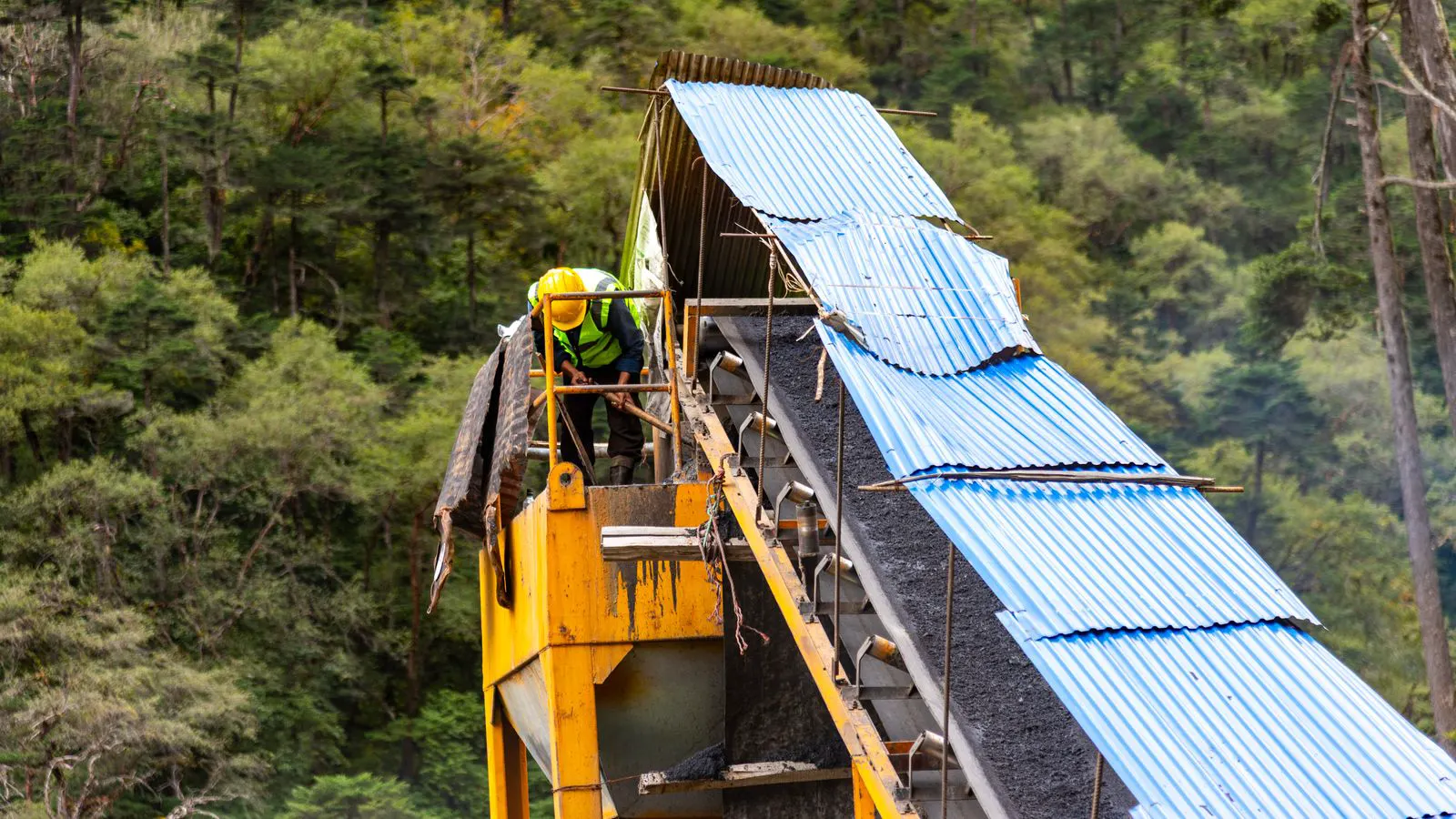
Another hybrid uses an inclined belt conveyor for short uphill runs and a gravity chute for the downward drop. The belt moves the material to a high point, and gravity moves it to the next stage. This is common in multi-level facilities.
The key to a hybrid system is the transition points. The material must be transferred smoothly between the mechanical and air-based methods. Poorly designed transitions cause spillage, blockage, or material loss. The design must account for the flow rate, material behavior, and the physical layout.
Final Selection Criteria
Selecting the right transfer method requires a clear understanding of the material, the layout, and the operating constraints.
Start with the material. Determine its density, flow characteristics, and sensitivity to abrasion. Then map the plant layout. Identify the distances, the available slopes, and the vertical differences.
Consider the throughput. High throughput often favors gravity systems due to their simplicity and capacity. Low throughput or remote transfer points favor pneumatic systems due to their flexibility.
Finally, evaluate the operating costs. Factor in energy consumption, maintenance, and the expected lifespan of the system. A detailed conveyor comparison should include these variables. The best choice is not always the most obvious. It is the one that fits the specific constraints of the plant and the material.
Frequently asked questions
Can pneumatic conveying handle sticky materials?
Sticky materials are difficult to convey pneumatically because they can plug the ducts. A specialized system with high air velocity or a heated line may be required.
What is the maximum distance for a gravity feed system?
Gravity feed systems are limited by the available slope and the flow characteristics of the material. Long distances require a steep slope or multiple drops, which may not be practical.
How does the material density affect the choice?
Dense materials are well suited for gravity systems. Light or fine materials are better suited for pneumatic conveying. The density determines the required air velocity or slope angle.
What is the energy cost difference?
Pneumatic conveying has a higher energy cost due to air compression. Gravity systems have a low energy cost, as they rely on natural slope. The difference can be significant over time.
Can a plant use both methods?
Yes. Many plants use a hybrid approach, combining gravity feed chutes with pneumatic conveying lines. This allows the plant to take advantage of the strengths of each method.