Conveyor systems move materials using frames, belts or chains, drives, and controls. Understanding these components helps buyers specify requirements and evaluate supplier proposals. A clear grasp of conveyor basics prevents costly integration errors during procurement.
- A conveyor system is more than a moving belt; it is a coordinated assembly of structural, mechanical, and electrical parts.
- Each component affects throughput, reliability, and maintenance costs, so sourcing decisions must address the whole system.
- Buyers should verify that frame tolerances, drive power, and control logic match their material, speed, and layout requirements.
- Clear documentation of component specifications reduces integration delays and supplier disputes during installation.
- Understanding basic anatomy makes it easier to ask targeted questions when comparing supplier quotations.
A conveyor system is a mechanical assembly that moves materials along a defined path. It is not just a belt or chain. It is a set of interacting parts that must work together under specific load, speed, and environmental conditions. When a buyer receives a supplier proposal, the real question is whether the system as a whole can handle the material and the layout without failure.
This article breaks down the core parts of a conveyor system. It shows how each element affects sourcing and integration. The goal is to give readers a working vocabulary for technical discussions with suppliers and engineers.
What Are the Main Structural Parts
The frame or structure holds the moving parts in position. It consists of side rails, cross members, and support legs. Materials are typically steel, with galvanized or powder-coated finishes for corrosion resistance. In some applications, aluminum frames are used where weight savings matter more than load capacity.
The frame must resist static loads from the material and dynamic loads from motion. Uneven frame alignment can cause belt tracking problems. It can also increase wear on rollers and bearings. When reviewing a supplier quotation, check the frame dimensions and material grade. Ask for the load rating per meter. Ask how the frame is connected to the floor. Anchor bolt patterns and base plate specifications belong in the technical drawings.
A common mistake is treating the frame as a standard part. In practice, frame length, height, and support spacing change with each installation. A supplier that provides a generic frame drawing without site-specific dimensions may need to redesign the structure after the quote is accepted. That creates delay and cost.
How Do Belts and Chains Function
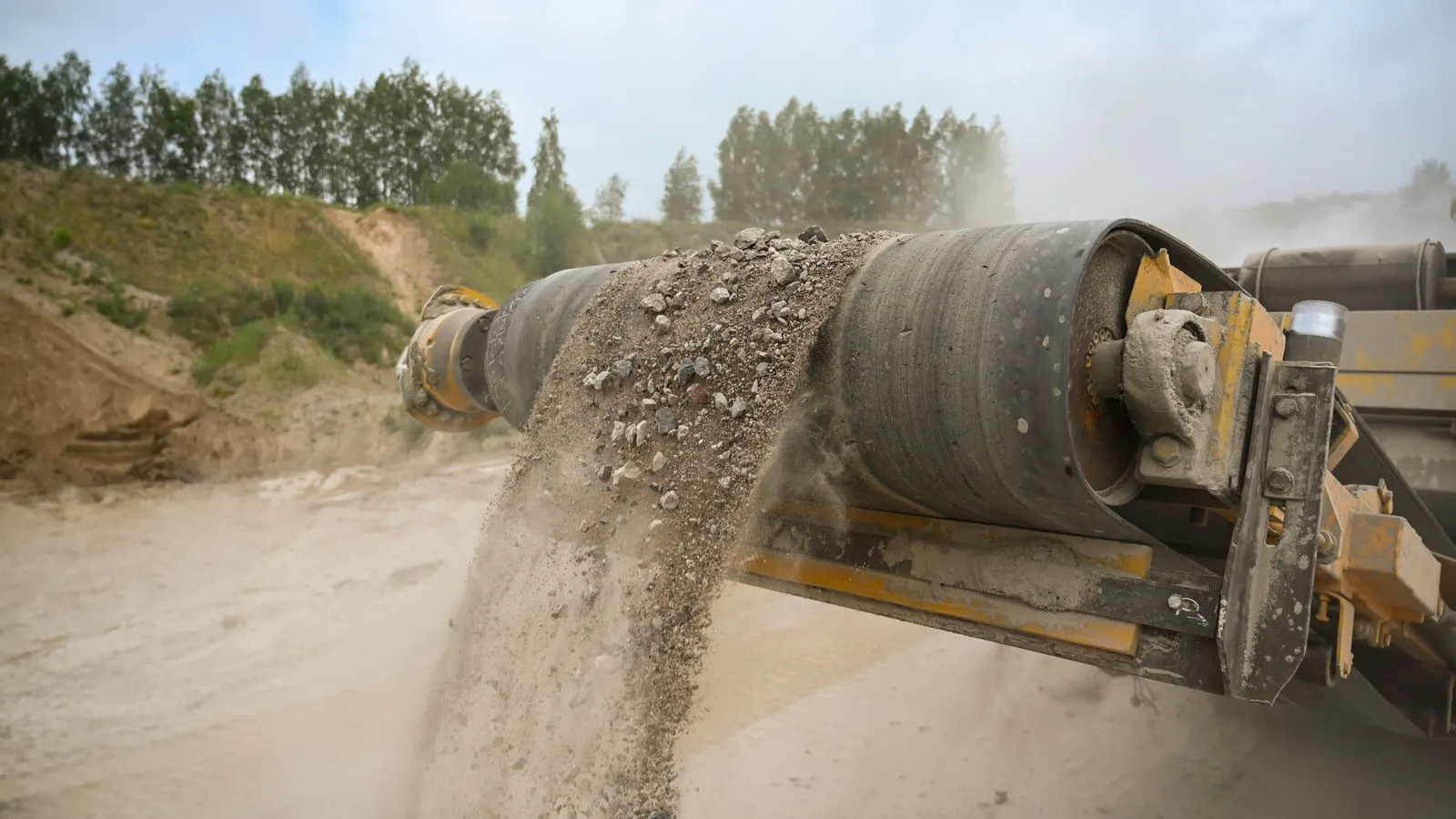
The moving surface is either a belt or a chain. Belts are typically made from fabric, rubber, or synthetic composites. Chains are made from steel links. The choice depends on load weight, material type, and temperature.
Belt conveyors are common for general bulk materials like grain, plastic pellets, or packaged goods. They offer smooth motion and lower noise. They work well when the material is not too abrasive. Chain conveyors handle heavier or rougher materials better. They are often used for pallets, castings, or long components.
The belt or chain must match the load. A thin belt under a heavy load will stretch. A chain under the wrong tension will skip or break. When sourcing, specify the material type and the expected load per square meter. Ask about the tensile strength of the belt. Ask about the pitch and strength of the chain links.
Tracking is a major issue with belt conveyors. The belt must stay centered on the rollers. If it drifts, it rubs against the frame. That causes edge wear. Chain conveyors have less tracking issue, but they need proper tension. Excessive tension increases bearing load. Loose tension causes sag and misalignment.
What Role Do Drives Play
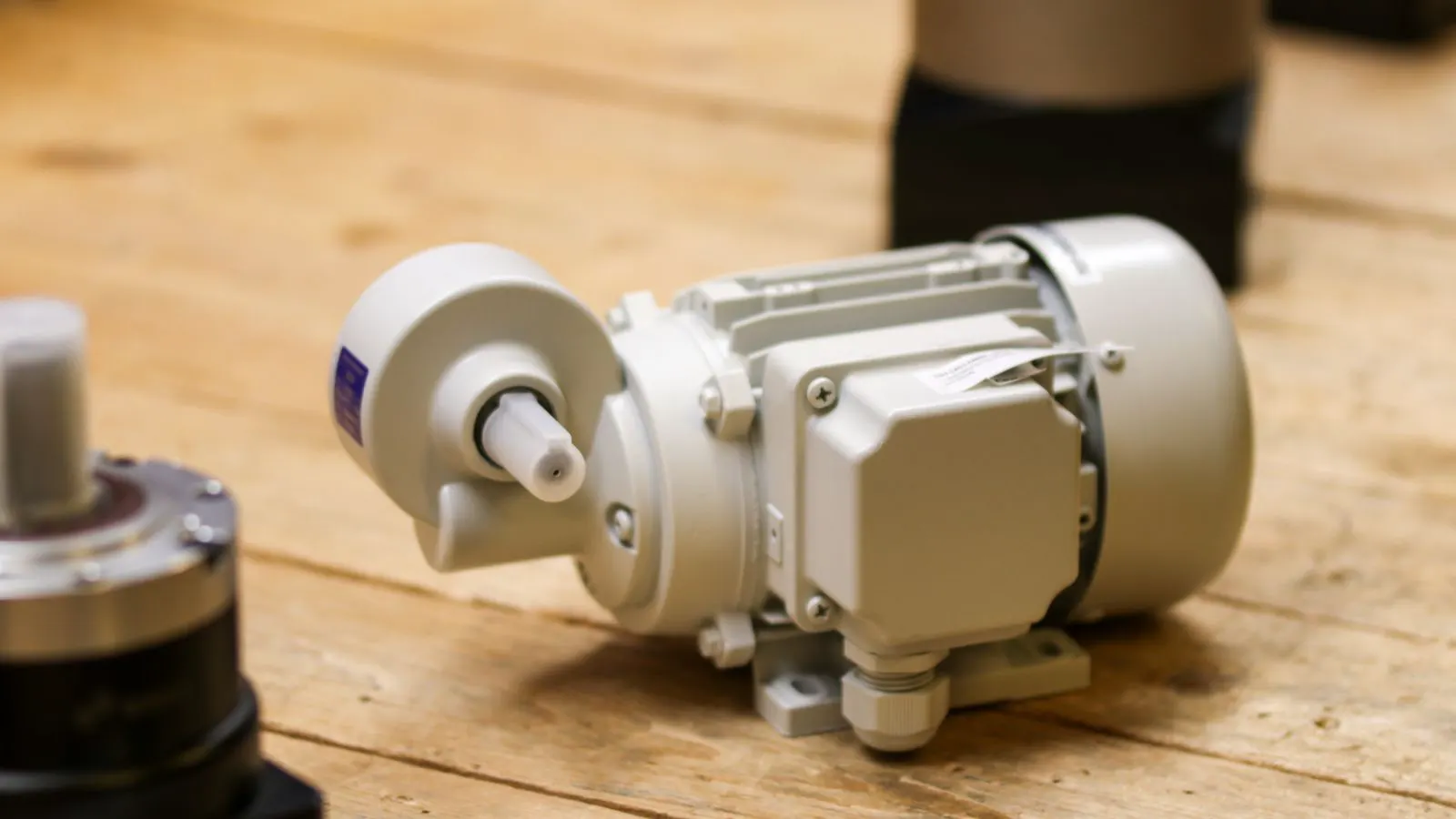
The drive system provides the power to move the belt or chain. It usually consists of a motor, a gearbox, and a coupling. Some systems use direct-drive motors without a gearbox. Others use variable frequency drives to control speed and torque.
The motor size must match the load. A motor that is too small will overheat under heavy load. A motor that is too large wastes energy and increases cost. The gearbox reduces speed and increases torque. It must be rated for the application. Some gearboxes are sealed. Others have oil-filled housings. The selection depends on the environment.
When reviewing a drive proposal, check the motor rating. Ask about the service factor. Ask about the gearbox type and its torque capacity. Ask about the coupling. A flexible coupling absorbs misalignment. A rigid coupling is simpler but less forgiving. If the frame is not perfectly straight, a flexible coupling can prevent drive failure.
Variable frequency drives add control flexibility. They allow speed changes without mechanical adjustments. They also reduce starting torque spikes. For applications with variable throughput, a variable speed drive is often worth the added cost. For fixed-speed applications, a fixed speed drive with a starter is simpler and cheaper.
How Do Rollers and Bearings Support the System
Rollers are the rotating members that support the belt or chain. They are mounted in bearings. The type of roller depends on the load and the material. Some rollers are smooth. Others have ribs or flutes to guide the belt. Some are angled to improve tracking.
Bearings take the radial and axial loads from the rollers. They are the most common wear item on a conveyor. If the bearings fail, the roller wobbles. That damages the belt edge. It increases noise. It can cause tracking failure.
When sourcing, ask about the bearing type. Ball bearings are common. Roller bearings handle heavier loads. Ask about the grease type and the lubrication schedule. In wet or dusty environments, sealed bearings are necessary. In high-temperature areas, high-temperature grease is required. A supplier that does not specify bearing protection may deliver a system that fails within months.
The number of rollers per meter affects support. Too few rollers cause belt sag. Too many rollers increase friction. The design must balance support and cost. The supplier should provide a layout drawing that shows roller spacing. The buyer should verify that the spacing matches the material length and the load.
What Are the Control and Safety Components
The control system starts and stops the conveyor. It monitors speed and position. It responds to alarms. Safety components protect people and equipment.
A basic control system includes a motor starter, an emergency stop button, and a speed controller. A more advanced system includes a programmable logic controller. It can coordinate multiple conveyors. It can adjust speed based on load sensors. It can log faults and running hours.
Safety devices include pull cords, light curtains, and guardrails. Pull cords stop the conveyor when pulled. Light curtains detect if a person enters the danger zone. Guardrails prevent contact with moving parts.
When reviewing a control proposal, ask about the control logic. Ask about the communication protocol. Ask about the safety standards. Ask about the diagnostic features. A system with good diagnostics is easier to maintain. It identifies faults before they cause downtime. A system with no diagnostics requires manual inspection. That increases maintenance cost.
The control system must be compatible with the building electrical supply. Voltage, phase, and frequency must match. A mismatch causes motor damage. The supplier should provide a control drawing. The buyer should verify that the control cabinet size matches the available space.
How Do Components Affect Sourcing Decisions
Each component influences the final price and the project timeline. A supplier that specifies only the belt and motor may miss structural or control requirements. A complete proposal should list every major part. It should include dimensions, materials, and performance ratings.
When comparing quotations, look at the total system. Do not focus only on the belt price. A cheap belt on a weak frame will fail. A strong frame with an underpowered motor will stall. The system must be balanced.
Ask the supplier for a parts list. Ask for the bill of materials. Ask for the warranty terms. Ask for the spare parts list. Ask for the installation and commissioning scope. A clear parts list helps the buyer verify that the quote covers the full scope. It also helps the buyer identify gaps.
A practical example can clarify the process. A factory needs to move metal parts from a machining area to a paint area. The parts weigh 4 kilograms each. The path is 20 meters long. The material is rough and abrasive.
The buyer asks the supplier to design a conveyor. The supplier proposes a chain conveyor. The chain is steel with a high pitch. The frame is galvanized steel. The motor is a 5.5 kilowatt induction motor. The gearbox is a worm gear. The control is a fixed speed starter.
The buyer reviews the proposal. The chain is suitable for the abrasive load. The frame is strong enough. The motor is sized for the load. The gearbox is rated for the torque. The control is simple. The buyer asks for the bearing type. The supplier says sealed ball bearings. The buyer asks for the roller spacing. The supplier provides 1.2 meters. The buyer checks that the parts are not too long between supports. The buyer asks for the spare parts list. The supplier includes chain links, bearings, and a belt tensioner.
The buyer then asks for the installation scope. The supplier includes anchor bolts, leveling, and commissioning. The buyer verifies that the electrical supply is three phase 400 volts. The motor matches. The supplier provides the final quotation.
This process shows how component knowledge affects the decision. Without understanding the parts, the buyer would not ask about bearing type or roller spacing. The supplier might have provided a generic answer. The buyer might have missed a critical gap.
What Documentation Should Be Requested
A complete supplier package should include several documents. The first is the technical drawing. It shows the overall layout and key dimensions. The second is the parts list. It lists every major component. The third is the material specification. It states the materials and finishes. The fourth is the performance data. It states the speed, load capacity, and power.
The fifth document is the control diagram. It shows the electrical connections. The sixth is the warranty certificate. It states what is covered and for how long. The seventh is the installation manual. It shows how to assemble and test the system.
When these documents are missing, the buyer should ask for them before signing the contract. A verbal promise is not a specification. A missing drawing can lead to a redesign. A missing parts list can lead to a dispute over scope.
The documentation also helps the buyer compare suppliers. If one supplier provides a detailed parts list and another provides only a generic description, the first supplier is more reliable. The buyer can verify the quality and the scope.
How to Avoid Common Sourcing Errors
The most common error is under-specifying the load. The buyer says the material weighs a certain amount. The supplier designs for that weight. But in practice, the material piles up. The load exceeds the design. The belt stretches. The motor overheats.
The second error is ignoring the environment. The buyer says the area is dry. But there is dust. The bearings fail. The third error is assuming the frame is standard. The floor is uneven. The frame is not level. The belt tracks poorly.
The fourth error is skipping the control review. The control system is too simple. It cannot handle the start and stop cycles. The motor burns out.
To avoid these errors, the buyer should provide a detailed brief. State the material type. State the load per unit. State the path length and height. State the environment. State the required speed. State the available power. State the safety requirements.
The supplier should return a proposal that addresses each point. The buyer should verify that the proposal matches the brief. If there is a mismatch, the buyer should ask for a revision before accepting the quote.
A clear understanding of conveyor anatomy makes the procurement process easier. It reduces risk. It improves communication. It leads to a system that performs as expected.
Frequently asked questions
What is the difference between a belt conveyor and a chain conveyor?
A belt conveyor uses a continuous belt to carry materials. It is smoother and quieter. A chain conveyor uses steel links. It handles heavier and rougher loads better.
How do I know if the motor size is correct?
Check the load weight and the speed. The motor must provide enough torque to start and move the load. Ask the supplier for the service factor. A higher service factor gives more margin.
What is the most common failure point on a conveyor?
Bearings are a common failure point. They take the load from the rollers. If the grease is wrong or the bearings are exposed to dust, they fail. Regular inspection and proper lubrication reduce the risk.
Do I need a variable speed drive?
A variable speed drive is useful when the throughput changes. It allows speed adjustment without mechanical changes. If the speed is fixed, a fixed speed drive is simpler and cheaper.
What documents should I ask a supplier for?
Ask for the technical drawing, the parts list, the material specification, the performance data, the control diagram, the warranty, and the installation manual. These documents help verify the scope and quality.