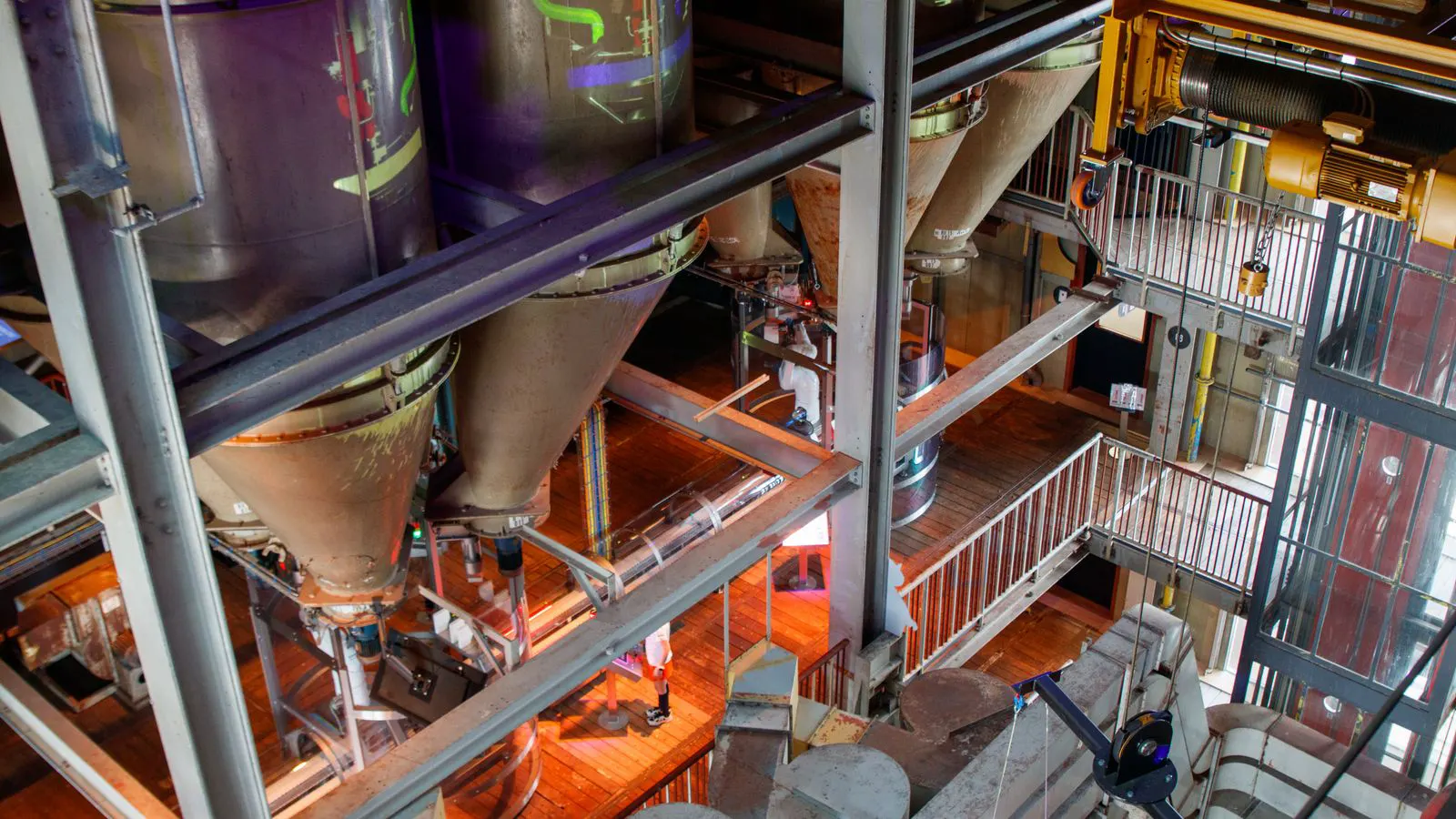
Emerging technologies are changing how logistics facilities integrate conveyor automation. Buyers must prepare for shifts in sensors, software, and maintenance practices. This guide outlines five practical changes to plan for in future procurement.
- Plan for higher sensor integration to reduce manual sorting errors.
- Prioritize software compatibility and open data standards in supplier bids.
- Prepare for predictive maintenance tools that change spare parts strategy.
- Evaluate suppliers on safety features like light curtains and emergency stops.
- Focus on total cost of ownership rather than initial hardware price.
Conveyor systems are becoming more than moving parts. They are now data nodes connected to warehouse management systems, safety protocols, and supply chain planning. For buyers, this shift changes what questions need answers before a supplier contract is signed.
The hardware itself is evolving slowly. The real change is in the intelligence added around it. Buyers who plan only for steel, belts, and drives will miss the value in the control layer. Procurement teams need to understand five shifts to prepare for a smoother transition.
What role do sensors play in future automation?
Modern conveyors are being fitted with sensors that track every package. Cameras, RFID readers, and weight sensors now identify items before they reach a human operator. This data allows the system to sort, divert, or hold items based on destination, weight, or damage risk.
Buyers should ask suppliers about sensor placement and data output formats. A high-end sensor is useless if the data cannot feed into your existing warehouse management system. Confirm the control system can handle the data stream without lag.
Light sensors also handle safety. Photoelectric beams, laser scanners, and light curtains stop the belt when a person enters the danger zone. These features are becoming standard, but older systems may have gaps. During supplier evaluation, inspect the safety zones and test the emergency stops.
How is software integration changing supplier bids?
The control system is the brain of the conveyor. Future bids should focus on how the controller talks to other systems. Look for suppliers who offer open APIs or standard protocols. This allows your team to connect the conveyor to other tools without rewriting code.
Vendor lock-in is a real risk. If one supplier owns the software, you may pay extra for every future update. Ask about the license model. Is the software free to run, or is there an annual fee? Can you export the configuration files?
Also check the user interface. Operators need a screen that shows belt speed, sensor status, and error codes. A complex interface causes delays. Simple screens with clear alerts reduce downtime. Request a demonstration of the software in your specific environment before signing a contract.
How will maintenance practices change?
Predictive maintenance is moving from a luxury to a standard expectation. Sensors can detect belt tension changes, bearing temperature rises, and motor current spikes before a failure occurs. This shifts the maintenance model from reactive to proactive.
Buyers should ask suppliers to include maintenance data in the bid. Can the system log every error code? Can it track belt wear over time? This history helps plan replacements before a breakdown stops production.
Spare parts strategy must adapt. If sensors are integrated, you may need to stock specific sensor modules rather than just belts and bearings. Factor these consumables into your total cost of ownership. A cheaper conveyor with frequent sensor failures may cost more than a pricier unit with reliable components.
What safety standards are buyers missing?
Safety regulations are tightening across many regions. Conveyor automation must meet these rules without slowing production. Light curtains, safety interlocks, and emergency stops are non-negotiable. But buyers often overlook the control logic.
Ask how the system responds to a sensor fault. If a light curtain is blocked, does the belt stop immediately? If a sensor fails, does the system stop or run in a degraded mode? The answer affects operator safety.
Also consider noise. Automated conveyors with high-speed drives can create significant noise. Check the decibel ratings and ask about acoustic enclosures. A quieter system protects workers and may reduce the need for hearing protection.
How do conveyor trends affect total cost of ownership?
The initial price of a conveyor is only part of the picture. Buyers must calculate the cost of energy, maintenance, software licenses, and downtime. Automation can reduce labor costs, but it requires higher upfront investment.
Look at energy consumption. Modern drives with variable frequency drives use less power than older fixed-speed motors. Ask suppliers for energy efficiency data. A system that uses less power may pay for itself over time.
Downtime is the biggest hidden cost. A breakdown that stops a warehouse line for two hours can cost thousands of dollars. Suppliers should offer service agreements that include rapid response times. Check the terms. Do they guarantee a specific response time, or is it best effort?
How should buyers structure supplier evaluations?
The evaluation process must change to match the new technology. Traditional checklists focus on speed, capacity, and material. These still matter, but they are no longer enough.
Use the table below as a starting point for your evaluation. It highlights the new criteria that matter in the current market.
| Evaluation Area | Key Questions to Ask |
|---|---|
| Software | Does the control system have an open API? Can we export data? |
| Sensors | What types of sensors are included? Are they replaceable? |
| Maintenance | What data is logged for predictive maintenance? |
| Safety | How does the system handle sensor faults? What are the decibel levels? |
| Support | What is the guaranteed response time for service calls? |
| Integration | Does the system work with our existing warehouse management software? |
This table helps standardize supplier bids. When every proposal answers the same questions, comparison becomes easier.
How to prepare your team for these changes
Your team needs skills that go beyond mechanical maintenance. Electricians must understand control systems. IT staff must manage data security. Operators must learn to read sensor alerts.
Train your staff early. Ask suppliers to include training in the contract. A one-day on-site session is better than a remote video. Hands-on practice reveals issues that a manual cannot show.
Also review your insurance policies. Automated systems carry different risks. Check if your coverage includes software failures or sensor errors. A gap in coverage can turn a small issue into a major financial problem.
Prepare for a gradual transition. Do not expect to replace every line at once. Start with one pilot line. Test the automation, measure the results, and refine the process before scaling. This reduces risk and helps your team adjust to the new workflow.
The future of conveyor automation is about data and integration. Buyers who focus on these areas will find suppliers who deliver long-term value. The hardware is changing, but the goal remains the same. Move goods safely and efficiently. Keep the questions sharp and the data open.
Frequently asked questions
Do all new conveyors come with sensors?
Not all, but high-end systems increasingly include basic sensors for speed and position. Buyers should specify sensor types in the bid to ensure they are included.
Can older conveyors be retrofitted with automation?
Yes, many older lines can be upgraded with sensors and new controllers. This is often cheaper than a full replacement. Check compatibility with your existing drive systems.
How long does it take to install a new automated conveyor?
Installation time depends on the system size and site prep. A small line may take a few weeks. A large warehouse system can take several months. Confirm the timeline in the contract.
What is the biggest mistake buyers make when selecting a supplier?
Focusing only on the hardware price. This ignores software costs, maintenance, and integration risks. Always evaluate the total cost of ownership.
Do I need an IT team to manage conveyor data?
A basic level of IT support is helpful for data security and network access. For simple systems, your maintenance team may handle the basics. For complex networks, IT involvement is recommended.