To verify conveyor manufacturer certifications, request specific documentation, check independent registry databases, validate scope and validity dates, and conduct site visits. This process protects your investment and ensures compliance with local safety and quality standards.
- Request direct access to original certificates rather than relying on digital copies or verbal assurances.
- Cross-reference supplier claims against public registry databases or accreditation body websites.
- Verify that the certification scope covers the specific conveyor type and material you require.
- Schedule a physical audit of the supplier's production floor to observe actual quality control processes.
- Document every verification step to maintain a clear audit trail for future compliance reviews.
Why Certifications Matter in Conveyor Procurement
A conveyor manufacturer certification provides proof that a supplier follows established quality and safety protocols. For buyers specifying industrial systems, these documents reduce risk by confirming that the vendor can deliver equipment that meets regulatory requirements. Without this verification, you may receive a product that fails inspection or causes operational downtime.
Consider a scenario where a new belt conveyor is installed in a food processing facility. If the manufacturer holds no valid electrical safety certification for the drive units, the local fire marshal or building inspector may shut down the line during the initial inspection. The result is not just a delay. It is a production stop that can cost thousands of dollars per day in lost throughput.
This guide outlines a systematic approach to validating these credentials. You will learn how to request the right documents, where to check them, and how to spot inconsistencies. The process requires time but prevents costly errors in the long run.
Prerequisites: What You Need Before Verification
Before starting the verification process, gather your internal project requirements. You need the specific conveyor type, expected load capacity, and operating environment. You also need the list of regulations that apply to your site. These may include local building codes, occupational safety standards, or industry-specific quality requirements.
Be specific about the environment. A conveyor operating in a wet chemical plant requires different materials and safety features than one running in a dry warehouse. If your specification calls for stainless steel frames and sealed electrical enclosures, the supplier’s certifications must cover those materials and enclosures. A general certification for standard carbon steel conveyors will not validate a stainless steel build.
Prepare a list of the supplier’s contact details and the specific project reference number. Having this information ready helps you track the documents you receive. If you have already performed a supplier evaluation, review your notes to identify any gaps in the supplier’s claimed capabilities. For example, if a supplier claims to build high-speed sortation systems, check if their past projects actually involved speeds above 2 meters per second.
Step 1: Request Specific Certification Documents
Ask the supplier for copies of all relevant certifications. Do not accept a general brochure or a website page as proof. You need the actual certificates that show the specific standards met. Common certifications include quality management systems, electrical safety standards, and mechanical safety compliance.
Specify exactly which standards apply to your project. If you are buying a powered conveyor, ask for electrical safety documentation. If you are buying a high-speed belt conveyor, request mechanical safety and load testing records. The more specific your request, the easier it is to verify the documents.
Write your request clearly. Instead of asking for “all documents,” send a list. For a standard material handling project, this list might include:
- The Quality Management System certificate for the manufacturing facility.
- Electrical safety compliance for the drive motors and control panels.
- Mechanical safety certification for the structural frame and belt system.
- Proof of compliance with specific noise or dust regulations if applicable to the site.
If the supplier hesitates or asks for a non-disclosure agreement before sharing certificates, treat that with caution. Legitimate manufacturers are usually willing to share certificates with prospective buyers, as they are a basic part of the sales process.
Step 2: Check the Certification Body Registry
Once you have the documents, verify them against the issuing body’s official registry. Most accreditation agencies maintain public databases where you can search by company name or certificate number. Look for the certificate number listed on the document and enter it into the search tool.
Search carefully. Some registries require you to select the country or region first. If you are buying equipment for a plant in Europe, check the European registry. If the plant is in North America, check the North American registry. A certificate valid in one region may not be valid in another.
If the certificate is not in the database, the document may be fake or expired. If it is in the database, note the status. A status of “active” means the certification is currently valid. A status of “expired” or “revoked” means you should not proceed with the purchase. Take a screenshot of the search result. This screenshot is your proof of verification.
Step 3: Validate the Scope of Certification
A certification covers a specific scope. For example, a quality management certification may cover the entire company, but it does not guarantee that a specific conveyor model meets all safety requirements. Check the certificate details to see if the scope includes the type of conveyor you are buying.
Read the “Scope of Certification” section carefully. It will list the types of products covered. If the scope says “conveyor systems,” it may include everything from small tabletop belts to large heavy-duty pallet flow conveyors. If the scope says “light-duty conveyors,” it does not cover the heavy-duty unit you are buying.
If the scope is too narrow, ask for additional documentation. A supplier may have a general quality certification but lack the specific safety certification for heavy-duty industrial equipment. This gap can lead to compliance issues after installation. Ask the supplier to clarify the boundaries of their certification. If they cannot provide documentation that covers your specific load capacity or speed, the risk is too high.
Step 4: Verify Validity Dates and Renewal Status
Check the start and end dates on the certificate. Certifications expire and must be renewed. A certificate that is valid today may have expired by the time the equipment is delivered. Ask the supplier for a renewal plan if the current certificate is close to its expiration date.
Look at the gap between the issue date and the expiry date. A certificate issued three months before it expires is a red flag. It suggests the supplier is running out of time to complete the renewal audit. A certificate that has been renewed regularly shows a stable process.
Some certifications require periodic audits. If the supplier’s last audit was years ago, their processes may have changed. Ask for details on their most recent audit. This gives you a clearer picture of their current quality control practices. If the audit was conducted by a well-known third party, it carries more weight than an internal self-assessment.
Step 5: Conduct a Site Visit or Third-Party Audit
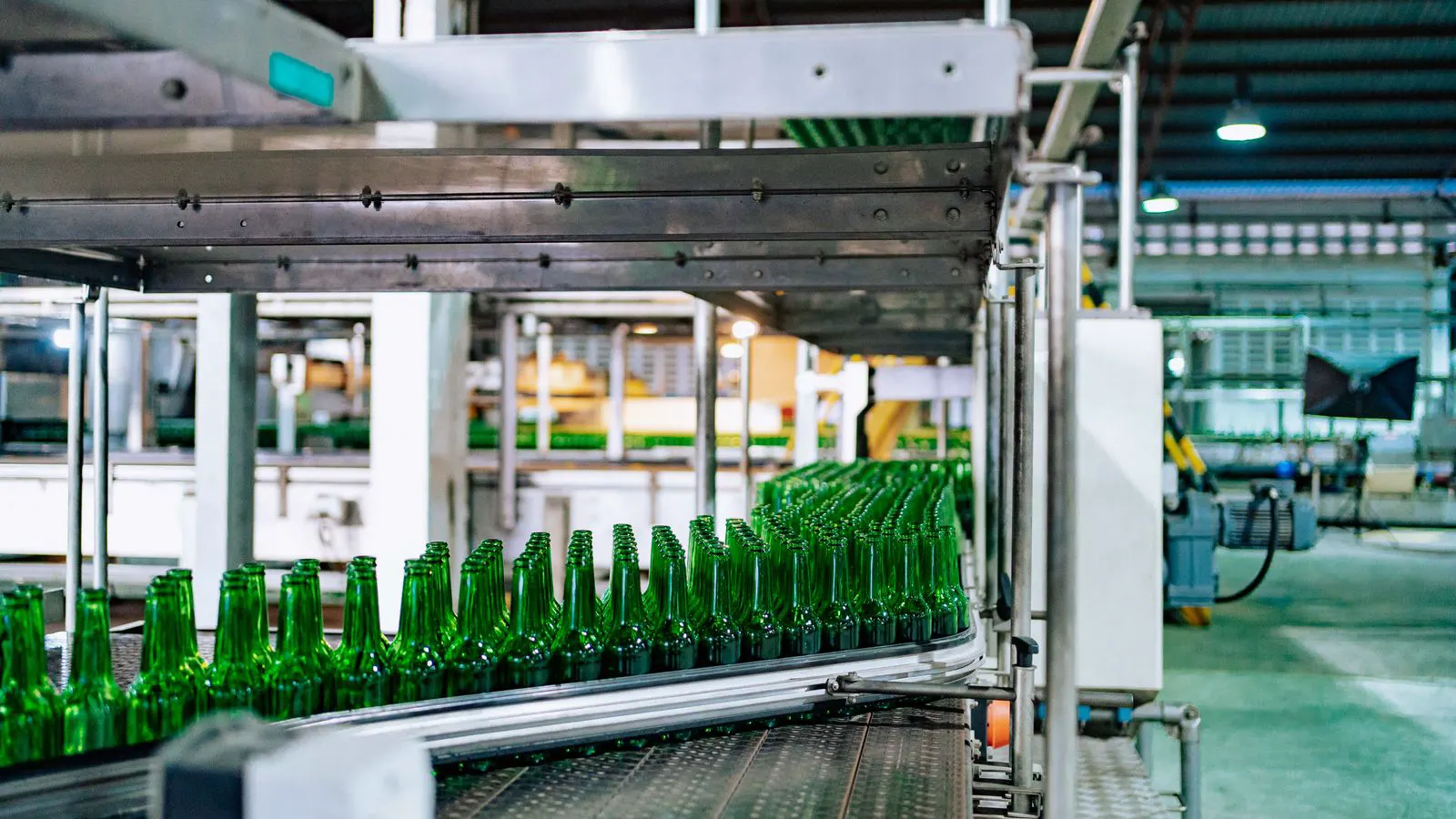
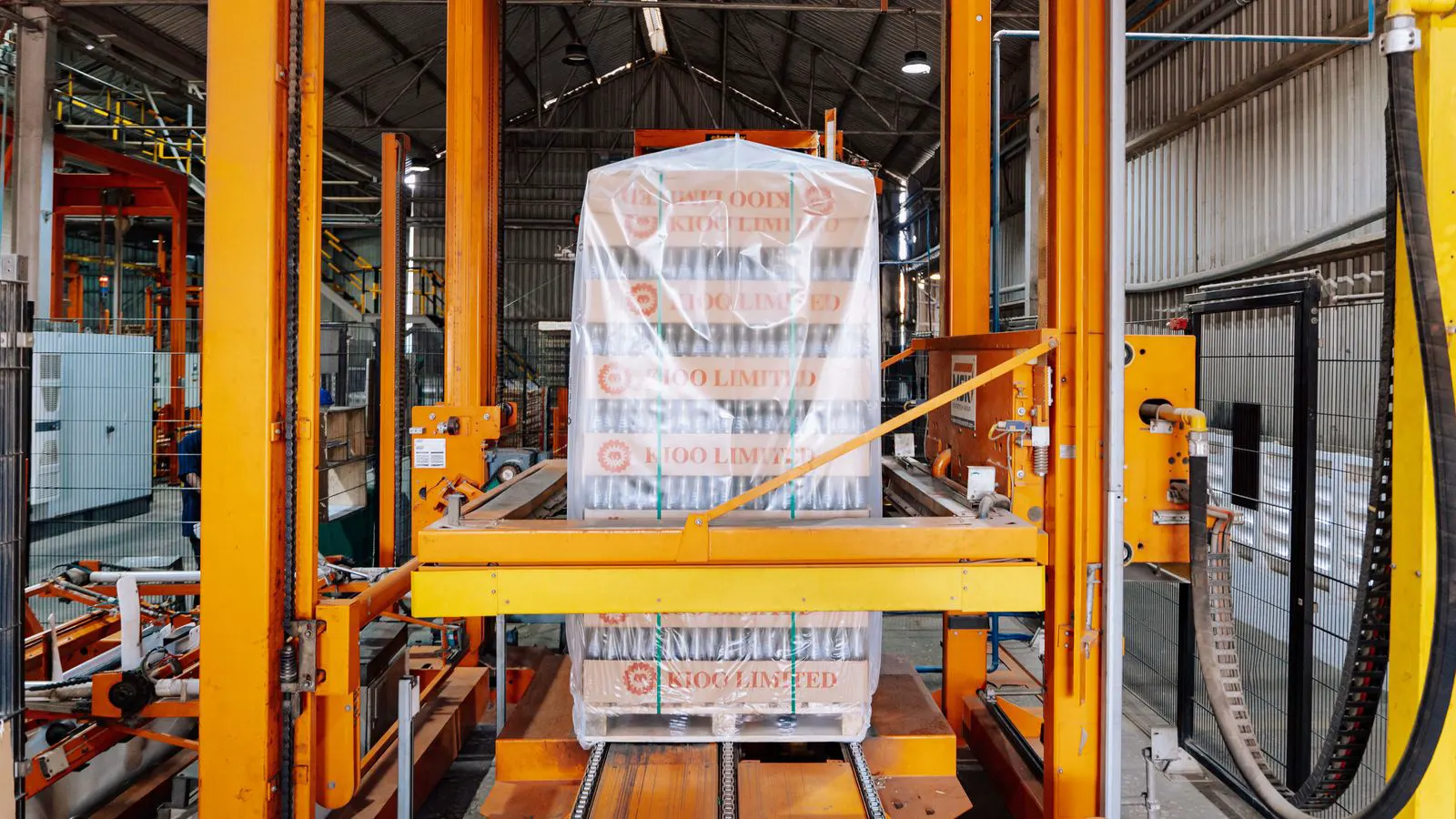
A document check is only one part of the process. A physical visit to the supplier’s facility provides direct evidence of their capabilities. Look at the production floor. Observe how they test conveyors before shipment. Check if they have dedicated quality control stations.
Walk the floor. Look for dust and debris. A clean facility is a good sign of good process control. Look for the test benches. Are they testing every unit, or only a sample? Ask to see a recent test report for a similar conveyor. Check if the test bench can handle the specific load and speed of your project.
If a site visit is not possible, hire a third-party auditor. They can inspect the facility and provide a written report. This report can include photos, test results, and observations about the supplier’s processes. It adds an independent layer of verification. Choose an auditor with experience in industrial equipment manufacturing. They will know what to look for.
Step 6: Review Supplier References and Past Projects
Ask the supplier for references from similar projects. Contact these references and ask about the quality of the equipment and the accuracy of the supplier’s certifications. Ask if the equipment passed inspection on their site. Ask if any safety issues arose during operation.
Ask specific questions. Do not ask “Was the equipment good?” Ask “Did the belt tracking require adjustment after installation?” Ask “Did the electrical panel meet the local code requirements?” Ask “Did the supplier provide the necessary documentation for your building permit?”
You can also review public case studies or project portfolios. Look for projects that match your requirements in terms of load, speed, and environment. If the supplier has successfully completed similar projects, their certifications are more likely to be relevant and accurate. If the supplier has no public references, rely heavily on the site visit and third-party audit.
Step 7: Document Your Verification Process
Keep a record of every step you take. Save copies of the certificates, screenshots of the registry searches, notes from site visits, and contact logs with references. This documentation serves as a legal and operational record. It helps you prove due diligence if issues arise later.
Use a standardized template for your records. Include the supplier name, certificate numbers, verification dates, and the name of the person who performed the check. This makes it easier for your team to review the files later. Store this documentation in a secure location. Make it accessible to your procurement, engineering, and safety teams.
Common Mistakes in Certification Verification
One common mistake is accepting a certificate without checking the scope. A general quality certificate does not cover all possible safety requirements. Always read the fine print on the document. The scope section is the most important part.
Another mistake is relying on the supplier’s website. Websites can be outdated or inaccurate. Always verify against the official registry of the issuing body. The supplier’s website is a marketing tool, not a verification tool.
A third mistake is skipping the site visit. Documents can be genuine, but the processes behind them may have deteriorated. A physical inspection catches issues that paper checks miss. If the supplier’s production floor is disorganized, their quality control is likely disorganized too.
Final Verification: The Confirmation Call
After completing all steps, schedule a confirmation call with the supplier. Walk through your findings. Ask them to clarify any discrepancies. Confirm that they understand the requirements and are committed to meeting them.
Ask the supplier to confirm that they will provide all necessary documentation before shipment. Ask them to confirm that their team will attend the installation if required. This call serves as the final checkpoint. It ensures that both parties are aligned before the contract is signed.
It also gives the supplier a chance to provide any missing information. If they cannot provide it, consider other suppliers. A supplier that is hesitant to confirm details is a risk. A supplier that is clear and confident is a better choice.
How This Process Fits Into Supplier Selection
Certification verification is one part of a broader supplier selection process. It works alongside cost analysis, load capacity specifications, and reference checks. By combining these elements, you create a strong foundation for a reliable supplier relationship.
Use the verification process as a tool to negotiate better terms. If a supplier has strong certifications, you can ask for warranties or service agreements that reflect their quality standards. If they lack certain certifications, use that as a basis to request improvements or discounts.
For example, if a supplier has a strong quality management certification but lacks specific electrical safety documentation, ask them to provide the missing documents before signing the contract. Do not sign the contract until you have all the required documentation.
Final Thoughts
Verifying conveyor manufacturer certifications requires patience and attention to detail. It is not a one-time task but an ongoing part of your procurement strategy. By following the steps in this guide, you reduce risk and ensure that your equipment meets the highest standards.
Start with the prerequisites, then move through each step systematically. Document everything and maintain open communication with the supplier. This approach helps you make informed decisions and protects your investment.
Frequently asked questions
Can I trust a supplier’s website to display valid certifications?
No. Websites can be outdated or inaccurate. Always verify certificates against the official registry of the issuing body to confirm validity.
What if a supplier’s certificate is near expiration?
Ask for a renewal plan. If the supplier cannot provide a timeline for renewal, it may indicate a lack of commitment to maintaining quality standards.
Is a general quality management certification enough for all conveyor projects?
No. General quality certifications do not cover all safety and performance requirements. You need specific certifications that match your project's technical and regulatory needs.
Should I always conduct a site visit?
It is highly recommended, especially for large or complex projects. If a site visit is not possible, hire a third-party auditor to provide an independent assessment.
How long does the verification process take?
It depends on the number of certifications and the complexity of the project. Typically, it takes one to two weeks for a standard project. More complex projects may take longer.